Accelerate your journey from ideas to impact. With IBM Bob, teams can turn roadmap concepts into fully delivered features, faster and more efficiently than ever before. From business leaders to expert developers, Bob provides a guided, intelligent workspace designed to unlock innovation, boost productivity, and accelerate modern application development across your organization.
IBM Bob, is an advanced AI coding agent that introduces a truly agentic development environment. It redefines how software is built and modernized by seamlessly coordinating planning, execution, and validation across the entire Software Development Life Cycle. The result: faster delivery, streamlined legacy modernization, and enterprise-grade security and governance built in by design.
With Bob’s powerful agentic modes, teams can confidently navigate complex development challenges, ensuring not just generated code, but high-quality, production-ready outcomes:
Ask – Understand concepts or analyze existing code without making changes
Plan – Think through architecture or creating a technical plan before implementation
Agent – Coordinate complex tasks across multiple modes. Implement features, fixing bugs or making code improvements
Step into a new era of software development—where innovation is guided, productivity is amplified, and results are delivered with confidence.
Agenda
12:30-13:00 Walk-in Coffee/Tea/Registration 13:00-13:15 Welcome & Opening 13:15-13:45 Introduction: Meet IBM Bob! 13:45-14:15 Client Success Story 14:15-14:30 Break 14:30-15:00 Hands-on Lab 1: Create your First Agent with Bob - Beginners Level 15:00-15:45 Hands-on Lab 2: Choice of Advanced Level exercises 15:45-16:00 Wrap-up 16:00/17:00 Bob's Borrel Time
Who should attend?
This workshop is designed for developer teams, architects, IT team leaders aiming to software development work smarter, faster, and with higher quality. Whether your goal is to create new software, create AI based applications, AI Agents and agentic workflows, extend an existing application, or integrate applications, this workshop will help you take concrete steps forward.
Logistics
Date: Wednesday 19 augustus 2026
Location: IBM Innovation Studio
Address: Johan Huizingalaan 765, 1066 VH Amsterdam
Note: attendees must bring their own devices to participate in labs!
AI-systemen worden steeds slimmer, sneller en toegankelijker. Toch merk je in veel organisaties hetzelfde patroon. Niet een fout antwoord, maar een knagend gevoel van twijfel is vaak het eerste signaal dat er iets misgaat. Je hoort: „Kan ik deze output wel gebruiken?” of „Waar baseert de AI dit eigenlijk op?”.
In deze blog kijken we waarom vertrouwen meestal eerder instort dan de feitelijke nauwkeurigheid, welke rol transparantie en accountability daarin spelen en hoe je daar als organisatie praktisch mee om kunt gaan. We sluiten af met een doorkijk naar hoe oplossingen zoals IBM watsonx.governance dit proces kunnen ondersteunen, in combinatie met de rol van Copaco als distributeur en schakel naar gespecialiseerde IBM-partners.
Wat bedoelen we met vertrouwen in AI?
Vertrouwen in AI gaat verder dan de vraag of een model „klopt”. Het gaat erom of jij het systeem verantwoord durft in te zetten in jouw proces, met jouw klanten en onder jouw naam. NIST beschrijft vertrouwen in AI als het resultaat van meerdere eigenschappen, zoals transparantie, betrouwbaarheid, veiligheid en verantwoord gebruik. (Bron: NIST)
Belangrijke redenen waarom vertrouwen sneller daalt dan de nauwkeurigheid van een model:
Gebrek aan inzicht in hoe beslissingen tot stand komen. Als gebruikers niet kunnen zien welke data, logica of stappen zijn gebruikt, ontstaat al snel argwaan. Transparantie wordt daarom expliciet genoemd als een kernkenmerk van betrouwbare AI. (Bron: NIST)
Onzekerheid over risico’s en verantwoordelijkheden. Wie is aansprakelijk bij fouten, hoe worden risico’s gemeten en beheerst en welke maatregelen gelden voor gevoelige toepassingen? Het NIST AI Risk Management Framework helpt organisaties juist om deze risico’s structureel in kaart te brengen en te beheersen. (Bron: NIST)
Signalen om dit in jouw organisatie te herkennen:
Collega’s nemen AI-output alleen over „als ze tijd hebben om het alsnog zelf te checken”.
Juridische of compliance-teams stellen steeds strengere eisen aan logging en onderbouwing.
Management wil versnellen met AI, maar vertraagt besluiten door onzekerheid over toezicht en verantwoording.
Waarom transparantie en accountability nu urgent zijn
De discussie over vertrouwen in AI is niet alleen intern. Regelgevers scherpen de eisen aan, met transparantie en accountability als vaste onderdelen.
De Europese AI Act introduceert een risicogebaseerd kader voor AI, met strengere eisen aan onder meer transparantie, documentatie, logging en menselijke controle, vooral voor hoog-risico systemen. (Bron: Europese Commissie)
De verordening treedt gefaseerd in werking vanaf augustus 2024, met onder andere transparantieverplichtingen voor bepaalde AI-systemen. (Bron: Europese Commissie)
Daarnaast laten onderzoeken zien dat gebruikers hoge verwachtingen hebben van openheid rondom AI:
In een onderzoek onder consumenten meldt Deloitte dat zorgen over privacy en beveiliging toenemen en dat mensen nadrukkelijk vertrouwen, accountability en transparantie verwachten van technologieaanbieders. (Bron: Deloitte)
Kortom, niet alleen de techniek maar ook de omgeving waarin je AI inzet verandert. Dat maakt losse experimenten zonder duidelijk kader steeds riskanter.
Praktische implicaties voor jouw organisatie:
Je hebt meer nodig dan een „slim model”. Je hebt aantoonbare processen nodig voor logging, monitoring en menselijke controle.
Je documentatie over AI-beslissingen moet aansluiten op eisen van bijvoorbeeld auditors, toezichthouders en klanten.
Je moet kunnen uitleggen hoe jouw AI-systemen werken, welke data ze gebruiken en hoe je omgaat met fouten.
Van modelnauwkeurigheid naar aantoonbaar verantwoord gebruik
Veel organisaties focussen in eerste instantie op modelnauwkeurigheid. Wat is de foutmarge, hoe scoort het model op een benchmark, hoeveel hallucinaties zien we in generatieve AI-output.
NIST benadrukt echter dat alleen werken aan nauwkeurigheid niet genoeg is om een AI-systeem betrouwbaar te maken. Eigenschappen zoals transparantie, veiligheid, robuustheid en verantwoordelijkheid horen samen te worden meegenomen in de hele levenscyclus van een AI-systeem. (Bron: NIST)
Een werkbare verschuiving in focus is daarom:
Van: „Hoe maak ik het model nóg iets preciezer?”
Naar: „Hoe zorg ik dat ik kan laten zien wat dit model doet, hoe het wordt bewaakt en wie waarvoor verantwoordelijk is?”
Concreet kun je denken aan de volgende stappen:
Definieer duidelijke AI-usecases en risico’s. Leg vast waar AI wordt ingezet, welke impact fouten hebben en welke risiconiveaus daarbij horen.
Bouw structurele monitoring in. Leg vast welke prestatie-indicatoren je volgt, hoe vaak je evalueert en wanneer je moet ingrijpen.
Richt governance in met duidelijke rollen. Denk aan wie eigenaar is van het model, wie beslissingen mag wijzigen en wie toezicht houdt.
Hoe technologie governance, transparantie en vertrouwen kan ondersteunen
Naast kaders en processen heb je tooling nodig die dit ook in de praktijk uitvoerbaar maakt. IBM watsonx.governance is ontwikkeld als governance-oplossing om AI-activiteiten binnen organisaties te sturen, te beheren en te monitoren, zowel voor machine learning als generatieve AI. (Bron: IBM)
Volgens IBM biedt watsonx.governance onder andere:
Een geïntegreerde toolset om governance voor zowel generatieve AI als traditionele ML-modellen te automatiseren, binnen één omgeving. (Bron: IBM)
Functies voor tracking en transparantie, zoals documentatie van modelkenmerken en herkomstinformatie om inzicht te geven in hoe modellen tot hun output komen. (Bron: IBM)
Ondersteuning bij verantwoord en transparant gebruik van AI, inclusief het leveren van documentatie over modelgezondheid en functies, zodat organisaties beter kunnen voldoen aan interne richtlijnen en externe regelgeving. (Bron: IBM)
Belangrijk is dat zo’n platform geen vervanging is van beleid of cultuur, maar een hulpmiddel om gemaakte keuzes aantoonbaar en schaalbaar te maken.
Conclusie: vertrouwen bouw je met transparantie, accountability en de juiste partners
De eerste echte schadepost bij AI is vaak niet een fout antwoord, maar het verlies van vertrouwen bij gebruikers, klanten en toezichthouders. Transparantie, duidelijke verantwoordelijkheden en aantoonbare governance zijn nodig om dat vertrouwen stap voor stap op te bouwen.
Oplossingen zoals IBM watsonx.governance kunnen organisaties helpen om AI-governance centraal te organiseren, modellen beter te monitoren en transparanter te maken, zowel voor klassieke ML-toepassingen als generatieve AI. (Bron: IBM)
Copaco ondersteunt als distributeur en verbindende schakel tussen IBM, IT-partners en organisaties bij de keuze voor het juiste IBM-portfolio, licentiemodellen en partnernetwerk. Copaco voert zelf geen implementaties of adviestrajecten uit, maar brengt je graag in contact met gespecialiseerde IBM-partners die AI-governance en oplossingen zoals watsonx.governance in de praktijk kunnen inrichten.
Wil je verkennen hoe je transparantie en accountability rond AI binnen jouw organisatie kunt versterken, of welke IBM-oplossingen daarbij passen, neem dan contact op met Copaco voor productinformatie, licentieadvies en een kennismaking met een passende IBM-partner.
Accelerate your journey from ideas to impact. With IBM Bob, teams can turn roadmap concepts into fully delivered features—faster and more efficiently than ever before. From business leaders to expert developers, Bob provides a guided, intelligent workspace designed to unlock innovation, boost productivity, and accelerate modern application development across your organization.
IBM Bob, is an advanced AI coding agent that introduces a truly agentic development environment. It redefines how software is built and modernized by seamlessly coordinating planning, execution, and validation across the entire Software Development Life Cycle. The result: faster delivery, streamlined legacy modernization, and enterprise-grade security and governance built in by design.
With Bob’s powerful agentic modes, teams can confidently navigate complex development challenges—ensuring not just generated code, but high-quality, production-ready outcomes:
Ask – Understand concepts or analyze existing code without making changes
Plan – Think through architecture or creating a technical plan before implementation
Agent – Coordinate complex tasks across multiple modes. Implement features, fixing bugs or making code improvements
Step into a new era of software development—where innovation is guided, productivity is amplified, and results are delivered with confidence.
Agenda
12:30-13:00 Walk-in Coffee/Tea/Registration 13:00-13:15 Welcome & Opening 13:15-13:45 Introduction: Meet IBM Bob! 13:45-14:15 Client Success Story 14:15-14:30 Break 14:30-15:00 Hands-on Lab 1: Create your First Agent with Bob - Beginners Level 15:00-15:45 Hands-on Lab 2: Choice of Advanced Level exercises 15:45-16:00 Wrap-up 16:00/17:00 Bob's Borrel Time
Who should attend?
This workshop is designed for developer teams, architects, IT team leaders aiming to software development work smarter, faster, and with higher quality. Whether your goal is to create new software, create AI based applications, AI Agents and agentic workflows, extend an existing application, or integrate applications, this workshop will help you take concrete steps forward.
Logistics
Date: Wednesday July 22nd, 2026
Location: IBM Innovation Studio
Address: Johan Huizingalaan 765, 1066 VH Amsterdam
Note: attendees must bring their own devices to participate in labs!
Building the IT foundation for agentic AI at scale.
Manage risk, enforce controls, and track AI value at scale with IBM
Cloud costs and operational complexity grow fast—often faster than teams can control. HashiCorp delivers a hybrid cloud operating model that enables organizations by unifying cost controls and automation across the infrastructure lifecycle, enabling teams to move quickly without compromising security or ROI.
Large enterprises operating across hybrid and multi-cloud environments struggle to deliver at speed because automation is fragmented across provisioning, security, configuration, and connectivity, creating drift, manual handoffs, and slow release cycles that compound as containerized and AI workloads scale.
Zero trust changed how we think about security. It replaced implicit trust with a simple principle: never trust, always verify.
The traditional zero trust at model works well in environments where behavior is relatively predictable. Identities are authenticated, access is granted based on policy, and systems assume trust must be evaluated continuously at defined points.
Agentic AI introduces a different operating model. Agents don’t authenticate once and operate within fixed boundaries. They act continuously, make decisions in real time, and request access as part of completing tasks. In this environment, the assumptions behind traditional zero trust begin to break down.
The next phase of security isn’t about replacing zero trust. It’s about the evolution of zero trust for agentic environments.
Agentic AI – Why traditional zero trust isn’t enough
Zero trust works when systems follow predictable patterns. A user logs in. A service authenticates. A token is issued. Access is granted within a defined scope. At each step, there is a clear moment where trust is evaluated.
Even in distributed systems, these checkpoints still exist. They may be automated, but they remain discrete events where identity is verified and access is decided.
Agentic systems don’t follow that pattern. An agent begins with a task and then interacts with the environment continuously, calling APIs, requesting access, generating credentials, and moving from one step to the next. Each action introduces a new context, permissions, and dependencies.
Access is no longer provisioned and then used. It is created and consumed at the same time.
A credential may be issued for a specific step, used immediately, and replaced as the workflow evolves. Systems built around static roles or long-lived permissions struggle to keep up.
This is where dynamically issued credentials become critical. Systems like HashiCorp Vault issue short-lived, scoped credentials as part of the workflow, aligning access with what the agent is doing in that moment.
There is no pause to re-evaluate trust. The system continues. Over time, what begins as a single task becomes a chain of actions across multiple systems. The path becomes harder to predict and harder to control.
Zero trust assumes there are natural points to re-evaluate trust. Agentic systems remove those boundaries. The system is always in motion, and trust must move with it.
When access and behavior diverge
In traditional systems, access and behavior are loosely coupled:
Access is granted → actions follow
In agentic systems, they evolve together:
Access, identity, and behavior are continuously intertwined
An agent might:
Request elevated permissions
Generate a credential
Call a downstream service
Modify infrastructure
All within fractions of seconds.
Over time, this creates access paths that were never explicitly designed or reviewed. In some instances, like in the case of Anthropic Mythos, these systems begin to exhibit behaviors that weren’t explicitly programmed but rather adapted workflows, chaining actions in new ways, or pursuing intermediate steps that weren’t anticipated at design time. While these behaviors can improve outcomes, they also introduce new uncertainty in how access is used and expanded across systems. Permissions accumulate. Credentials persist longer than intended. Actions become harder to trace. The challenge isn’t just verifying identity, but rather keeping trust aligned with what the system is actually doing.
Without dynamic access controls, systems tend to fall back on broader, longer-lived permissions simply to keep workflows moving, which is a pattern dynamic secrets platforms like Vault are designed to avoid.
This is where traditional zero trust models begin to fall short. They assume trust can be evaluated at defined checkpoints. In agentic systems, those checkpoints don’t exist.
The result is a growing gap between what was approved and what is happening and allowing access to expand, actions to compound, and risk to accumulate over time.
Closing that gap requires zero trust to evolve into a continuous trust model, where identity, access, and authorization are evaluated at the moment each action occurs. This means:
Identity must be continuously verified in context
Access must be issued dynamically and expire automatically
Enforcement must happen at the point of interaction
In practice, this requires coordinating identity systems, dynamic credential management, and controlled access pathways as part of a runtime model.
The evolution of zero trust to continuous trust
Zero trust was developed with the assumption that trust would be evaluated at defined checkpoints, login, token issuance, or access approval. Agentic AI has broken that assumption, and security practices needs to evolve.
When access is granted once but used continuously, systems lose alignment between policy and behavior. Privileges expand. Actions occur outside of intended control.
Zero trust established an essential principle, trust should never be assumed. but agentic systems require that principle to be applied differently: Trust must be evaluated continuously, immediately upon execution
This is continuous trust. It shifts security from:
Checkpoint-based validation to
Runtime, action-level enforcement
It means:
Identity is verified continuously in context
Access is dynamic and short-lived
Authorization is enforced at each interaction
Making this model real requires aligning identity, access, and enforcement as part of the same system.
Continuous identity verification
Every actor, human or agent, must be validated in context using signals like behavior, device posture, and risk.
Platforms like IBM Verify extend identity beyond authentication, continuously evaluating whether an actor should still be trusted.
Dynamic, short-lived access
Access should exist only as long as it is needed. Credentials must be:
Ephemeral
Scoped to specific tasks
Automatically revoked
Vault enables this by issuing short-lived credentials aligned to real-time activity rather than static roles.
Enforcement at the point of action
Security must be enforced where actions occur.
Each interaction, API call, system access, workflow step, should be:
Evaluated in real time
Governed by policy
Observable
HashiCorp Boundary introduce enforcement into the access path itself, brokering connections only as needed so access is controlled and observable as it happens.
Building a runtime control plane
The evolution of zero trust into continuous trust is not about adding more policies or extending identity systems, it’s about enforcing trust where actions occur.
In agentic environments, access and decisions are created and consumed simultaneously. Agents don’t wait for checkpoints; they act, adapt, and continue. If controls are not present at that moment, they are effectively bypassed. This makes runtime the critical control point.
Without runtime enforcement:
Identity is verified too early
Access persists longer than intended
Actions execute without re-evaluation
Over time, this creates a disconnect between policy and behavior — systems operate within approved access, but outside intended control.
A runtime control plane closes this gap by ensuring trust is evaluated at each action. This requires:
Continuous identity verification
Dynamic credential issuance
Enforcement at the point of interaction
In practice, this means coordinating identity and access as a single system. IBM Verify establishes who or what is acting, Vault issues task-scoped credentials, and Boundary brokers and governs access to target systems. Together, these components shift security from static approval to real-time control, where trust is not assumed, but is continuously proven through action.
Continuous trust in practice
In an agentic environment, systems don’t operate within fixed boundaries. They act continuously, adapt in real time, and evolve access as they go.
Trust is no longer something you establish once and revisit periodically. It is something you evaluate continuously.
Adopting this model requires rethinking where and how security controls are applied. Identity can no longer be treated as a one-time decision, access can no longer persist beyond the task, and enforcement can no longer sit outside the flow of execution. Instead, these controls need to operate together at runtime and align with system behavior.
Organizations that continue to rely on static roles, long-lived credentials, and checkpoint-based validation will find it increasingly difficult to maintain control as agentic systems scale. However, those that move toward continuous identity verification, dynamic access, and real-time enforcement will be better positioned to manage both the speed and complexity of autonomous systems.
Implementing this model requires bringing identity, credentials, and access enforcement into alignment by adopting platforms like IBM Verify, HashiCorp Vault, and Boundary, which are to provide that support.
Get more insights on securing AI agents with continuous identity and runtime control.
Ontdek de kracht van Quantum computing in het Evoluon op 23 juni
De ontwikkelingen op het gebied van Quantum computing bevinden zich in een stroomversnelling. Waar Quantum een jaar geleden nog toekomstmuziek was voor over 10 jaar, is de actuele verwachting dat commercieel te gebruiken Quantum computing in 2029 op de markt komt. Dit betekent dat u als IT-partner nú aan de slag moet met uw klanten om hen te begeleiden in hun Quantum ready journey.
Copaco’s Quantum Leap Event op dinsdag 23 juni brengt partners, innovators en technologie-experts samen op een unieke locatie: het iconische Evoluon (Next Nature Museum) in Eindhoven. Dé plek waar toekomst en technologie samenkomen en de ideale plek om te zien waar Quantum vandaag staat en wat je er als partner mee kunt. Dit doen we in samenwerking met onze technologiepartner IBM, dé company to beat op het gebied van Quantum Computing volgens Gartner.
Waar klassieke computers tegen hun limieten aanlopen, biedt Quantum computing een volledig nieuwe manier van rekenen. Dankzij de kracht van qubits kunnen complexe berekeningen exponentieel sneller worden uitgevoerd.
Quantumtechnologie opent de deur voor nieuwe oplossingen op allerlei gebieden, van productontwikkeling tot fraudedetectie. Naast deze positieve impact, heeft Quantum ook serieuze gevolgen voor uw IT-landschap en data securitystrategie. Huidige encryptiestandaarden zijn met het gebruik van Quantum in veel gevallen binnen enkele minuten te kraken. Dit vereist dat bestaande security policies crypto-agile moeten worden gemaakt om u zo te wapenen tegen onder andere “harvest now, decrypt later” bedreigingen zodra kwaadaardige partijen toegang krijgen tot Quantumtechnologie. De komst van Quantum geeft ook aanleiding om weloverwogen keuzes te maken op het gebied van en Quantum-ready infrastructure en data storage.
Quantum is geen hype voor over vijf jaar. De eerste toepassingen en proposities zijn er al, dus dit is hét moment om je als partner te positioneren.
Wat kun je verwachten?
Tijdens dit exclusieve business partner event krijg je:
Inzichten in waar de commerciële kansen rondom Quantum liggen op zowel korte als lange termijn
IBM’s visie op Quantum computing en de roadmap richting de toekomst
Inspirerende keynotes
Interactieve break-outsessies met concrete toepassingen
Volop ruimte om te netwerken en nieuwe samenwerkingen op te bouwen
Inspirerende break-out sessies
Na registratie kies je zelf de sessies die het beste aansluiten bij jouw interesse en business. Een overzicht van onderwerpen die tijdens de break-out sessies worden behandeld:
Quantum computing uitgelegd: van basis tot business impact
IBM Quantum in de praktijk: use cases en toepassingen
De rol van partners in het Quantum ecosysteem
Van innovatie naar implementatie: hoe start je met Quantum?
Q-day en hoe jij jouw klanten kan beschermen met IBM Quantum Safe
Programma
Tijd - Onderdeel
09:30 – 10:00 - Ontvangst
10:00 – 11:00 - Plenaire opening & keynote
11:00 – 12:00 - Break-outsessie ronde 1
12:00 – 13:00 - Lunch
13:00 – 14:00 - Break-outsessie ronde 2
14:00 – 15:00 - Break-outsessie ronde 3
15:00 – 15:30 - Wrap-up & gezamenlijke afsluiting
15:30 – 16:30 - Netwerkborrel
Zet de stap naar Quantum
Quantum computing gaat de spelregels veranderen. De vraag is niet óf, maar wanneer.
Wil jij begrijpen wat dit betekent voor jouw business en hoe je hier vandaag al op kunt inspelen?
Je ontvangt na aanmelding een follow-up mail zodat je jezelf kunt inschrijven voor de verschillende break-out sessies
Van pilots naar productiewaardige resultaten: hoe AI-coding écht rendeert bij klanten
AI coding assistants beloven een flinke productiviteitsboost. Developers kunnen sneller code genereren en ideeën omzetten in werkende oplossingen. Maar die winst blijkt in de praktijk vaak tegen te vallen.
Developers verwachten tot wel 24% productiever te zijn, maar in realiteit hebben ze voor complexe taken in echte codebases vaak juist tot 19% meer tijd nodig. De reden? AI mist vaak de juiste context, waardoor output moet worden gecorrigeerd, afgestemd en herschreven.
In dit webinar op 3 juni laten Copaco en IBM zien hoe je die kloof overbrugt en AI inzet als een écht productiviteitsinstrument.
Waarom AI-coding vaak tegenvalt
Output is “bijna goed”, maar vraagt alsnog veel rework
Gebrek aan gedeelde context tussen teams
Extra tijdverlies door afstemming en correcties
Resultaat : productiviteitswinst blijft vaak beperkt tot individueel niveau.
Hoe kan het beter?
IBM introduceert een aanpak gebaseerd op design intent:
Eén gedeelde en duidelijke context voor mens én AI
Consistente code die aansluit op de architectuur
Minder rework en snellere delivery
De missing link tussen idee en code.
Wat leer je in dit webinar?
Waarom AI-coding vandaag vaak niet oplevert wat je verwacht
Hoe je de productiviteitsparadox doorbreekt
Hoe je evolueert van prompt-based coding naar design-driven development
Hoe je met AI meer consistentie en schaalbaarheid bereikt
Concrete inzichten uit IBM DevOps Solution Workbench en IBM Bob
Datum
3 juni
Tijd
10:30 -11:15
11:15-12:00
Voor wie?
CTO's, IT Sales Executives, IT Project Managers, Tech Leads, IT-Architects
Taal
Engels
ARMONK, N.Y., Oct. 22, 2024 /PRNewswire/ -- As hybrid cloud-, AI-, and quantum-related risks upend the traditional data security paradigm, IBM (NYSE: IBM) is launching IBM Guardium Data Security Center – allowing organizations to protect data in any environment, throughout its full lifecycle, and with unified controls.
IBM Guardium Data Security Center provides a common view of organizations' data assets, empowering security teams to integrate workflows and address data monitoring and governance, data detection and response, data and AI security posture management, and cryptography management together in a single dashboard. IBM Guardium Data Security Center includes generative AI capabilities to help generate risk summaries and boost security professionals' productivity.
The center features IBM Guardium AI Security, software to help protect organizations' AI deployments from security vulnerabilities and data governance policy violations at a time when generative AI adoption – and the risk of "shadow AI," the presence of unsanctioned models – is surging.
IBM Guardium Data Security Center also features IBM Guardium Quantum Safe, software that helps clients to protect encrypted data from the potential risk of future cyberattacks driven by bad actors who gain access to cryptographically relevant quantum computers. IBM Guardium Quantum Safe builds upon expertise from IBM Research – including IBM's post-quantum cryptography algorithms – and IBM Consulting.
"Generative AI and quantum computing provide immense opportunities, but they also bring new risks," says Akiba Saeedi, Vice President, IBM Security Product Management. "During this transformative time, organizations need to improve their crypto-agility and carefully monitor their AI models, training data, and usage. IBM Guardium Data Security Center – with its AI Security, Quantum Safe, and other integrated capabilities – provides comprehensive risk visibility."
IBM Guardium Quantum Safe helps organizations gain visibility and manage enterprise cryptographic security posture to address vulnerabilities and guide remediation. It allows organizations to enforce policies based on external, internal, and government regulations by pulling crypto algorithms used in code, vulnerabilities detected in code, and network usages into a single dashboard for security analysts to monitor policy violations and track progress – without having to piece together information distributed across various systems, tools, and departments. Guardium Quantum Safe offers customizable metadata and flexible reporting so that critical vulnerabilities can be prioritized for remediation.
IBM Guardium AI Security manages security risk and data governance requirements for sensitive AI data and AI models. It helps discover AI deployments, address compliance, mitigate vulnerabilities, and protect sensitive data in AI models through a common view of data assets. IBM Guardium AI Security integrates with IBM watsonx and other generative AI SaaS providers. For example, IBM Guardium AI Security helps discover "shadow AI" models and then shares them with IBM watsonx.governance, so they no longer elude governance.
Hybrid cloud-, AI-, and quantum-era risks mean key data – from medical records and financial transactions to IP and critical infrastructure – require new forms of protection. During this transformative time, organizations urgently need a trusted partner and an integrated approach to data security – not a patchwork of point solutions. IBM is pioneering this integrated approach.
IBM Guardium Quantum Safe dovetails with broader Quantum Safe offerings from IBM Consulting and Research. The software is powered by technology and research developed by IBM Research. Several of IBM Research's post-quantum cryptography algorithms were recently standardized by the U.S. National Institute of Standards and Technology (NIST), marking a crucial milestone to protect the world's encrypted data from the risk of bad actors who may gain access to cryptographically relevant quantum computers to carry out cyberattacks in the future.
IBM Consulting's Quantum Safe Transformation Services leverage these technologies to help organizations define risks, inventory and prioritize them, confront them – and then scale the process. IBM Consulting's cybersecurity bench includes scores of professionals with experience in cryptography and quantum safe technology. Dozens of clients in telecommunications, finance, government, and other industries leverage IBM Quantum Safe Transformation Services to help safeguard their organizations against future risks and present risks like harvest now, decrypt later.
IBM today is also adding decentralized identity features to its Verify portfolio: IBM Verify Digital Credentials enables users to store and manage their own credentials. The feature digitizes physical credentials like drivers' licenses, insurance cards, loyalty cards, and employee badges, which can then be standardized, stored, and shared with comprehensive security, privacy protection, and control. IBM Verify is an IAM (identity access management) solution that protects identity across the hybrid cloud.
Statements regarding IBM's future direction and intent are subject to change or withdrawal without notice, and represent goals and objectives only.
About IBM IBM is a leading provider of global hybrid cloud and AI, and consulting expertise. We help clients in more than 175 countries capitalize on insights from their data, streamline business processes, reduce costs and gain the competitive edge in their industries. More than 4,000 government and corporate entities in critical infrastructure areas such as financial services, telecommunications and healthcare rely on IBM's hybrid cloud platform and Red Hat OpenShift to affect their digital transformations quickly, efficiently and securely. IBM's breakthrough innovations in AI, quantum computing, industry-specific cloud solutions and consulting deliver open and flexible options to our clients. All of this is backed by IBM's long-standing commitment to trust, transparency, responsibility, inclusivity and service. For more information, visit www.ibm.com.
The implications for cybersecurity in the quantum computing era are profound. As business leaders, the responsibility to safeguard organizational assets against emerging threats falls on your shoulders. The IBM Institute for Business Value’s latest report, “Secure the post-quantum future,” offers critical insights into the state of quantum-safe readiness and the steps necessary to protect your organization.Quantum computing promises to revolutionize industries, but it also poses significant risks to current encryption methods. Threat actors are already employing “harvest now, decrypt later” tactics, stealing encrypted data today with the intention of decrypting it once quantum capabilities mature. This situation underscores the urgency for organizations to transition to quantum-safe cryptographic protocols.
The gap between awareness and action
Despite the heightened awareness, the report reveals a concerning gap between awareness and action. While 73% of organizations report collaboration between business and technology leaders on quantum-safe strategies, only 19% have set near-term maturity goals.
The scarcity of required skills and the fragmented ownership landscape further exacerbate this disparity. Chief Technology Officers (CTOs) are most often cited as owners of quantum-safe initiatives, but effective action demands novel coordination across all organizational functions.
Readiness efforts should be accelerated
The IBM Quantum-Safe Readiness Index (QSRI) provides a framework for assessing an organization’s progress in quantum-safe initiatives. It evaluates activities across three key areas: discovery, observability and transformation. The average readiness score has increased from 21 in 2023, to 25 in 2025—indicating progress but highlighting the need for accelerated efforts.
A strategic asset in this transition is the business-first cryptographic inventory. Organizations must perform comprehensive assessments to map cryptographic implementations and dependencies. This inventory process is crucial for developing a quantum-safe transformation roadmap. However, fewer than one in three organizations have completed this step. Even fewer apply these insights to broader business transformation initiatives.
IBM’s CIO Office has demonstrated that establishing quantum-resilient cryptographic hygiene does not require massive organizational disruption. By leveraging tools such as IBM Quantum Safe™ Explorer, IBM achieved near-zero manual effort in discovering cryptographic artifacts, generating actionable cryptographic bills of materials (CBOMs) and identifying vulnerabilities.
Investing in quantum-safe capabilities should be reframed not as insurance against future risks but as a capability that delivers business value and transformation benefits. Organizations that outperform on agility, innovation, digital transformation and talent demonstrate greater quantum-safe readiness. Yet, many struggle to justify quantum-safe investments within traditional ROI frameworks.
The time to act is now
Preparing now is essential to safeguard the digital backbone of every organization. Your leadership is pivotal in driving quantum-safe initiatives, fostering collaboration across functions and ensuring your organization is prepared for the quantum computing era. For a deeper dive into the findings and recommendations, the full report is available for further exploration.
Data security is the cornerstone of every business operation. Today, the security of sensitive data and communication depends on traditional cryptography methods, such as the RSA algorithm. While such algorithms secure against today’s threats, organizations must continue to look forward and begin to prepare against upcoming risk factors.
The National Institute of Standards and Technology (NIST) published its first set of post-quantum cryptography (PQC) standards. This landmark announcement is an important marker in the modern cybersecurity landscape, cementing the indeterminate future of post-quantum cryptography as an important cybersecurity priority for enterprises, government agencies and supply chain vendors.
NIST has finalized the three following PQC standards to strengthen cryptography infrastructure for the quantum era:
ML-KEM (derived from CRYSTALS-Kyber) — a key encapsulation mechanism selected for general encryption, such as for accessing secured websites
ML-DSA (derived from CRYSTALS-Dilithium) — a lattice-based algorithm chosen for general-purpose digital signature protocols
SLH-DSA (derived from SPHINCS+) — a stateless hash-based digital signature scheme
Since as early as 2021, NIST has been encouraging organizations to begin planning and preparing for the transition toward quantum-safe. The finalization and release of these three PQC standards is the assurance and guidance many organizations need to embrace and begin the process of transforming to crypto-agility.
How are organizations preparing today to withstand attacks from quantum computers in the future?
IBM has engaged with many large organizations over the past 18 months. These leaders have established, or are establishing, quantum-safe transformational initiatives as a strategic imperative, approaching it with a people, processes and technology perspective. Reaching “quantum safety” requires increasing crypto maturity, and transforming their cryptography program in the process. The objective is a strong cryptographic posture, including resilience against quantum-powered risks.
The journey toward quantum-safe often starts with discovering and classifying data to gain visibility into cryptographic inventory across the enterprise, including being able to analyze risk and prioritize remediation. Beyond discovery and classification is the transformation toward crypto-agility, the ability for platforms, systems and applications to:
Update cryptography when it is broken
Change cryptography when regulations and new threats require it
Bij kwantum computing kennen we 3 concepten, namelijk: superpositie, verstrengeling en interferentie. Deze 3 concepten kunnen gebruikt worden om complexe problemen op te lossen. Hoe dan? Dat vragen we aan Wim Peeters, Technical Leader en Quantum Ambassador bij IBM.
We bespreken o.a. de laatste kwantum ontwikkelingen bij IBM, de laatste use cases met o.a. HSBC, de gevaren van kwantum en natuurlijk hoe jij met IBM Quantum aan de slag kan gaan.
Enterprises today are under pressure to accelerate innovation while also showing tangible returns on AI investments. Yet many organizations struggle to integrate diverse systems, APIs, and data flows at the speed business demands.
With the latest enhancements to IBM webMethods Hybrid Integration, IBM is helping clients overcome these challenges. The developments span 3 critical areas:
iPaaS agents & MCP: empowering teams with AI agents that accelerate delivery, improve resilience, and simplify operations, while making it easier to create an MCP server.
Unified Asset Catalog: giving both humans and AI agents a single, governed source of truth to unlock reuse of integrations, workflows, and MCP endpoints to reduce risk.
End-to-end MQ Observability: enabling organizations to improve resiliency of their integrations with deeper visibility and control through a single pane of glass.
Together, these innovations are designed to help enterprises prepare for the opportunities of AI transformation while also strengthening the reliability of today’s hybrid operations.
Traditional integration has often required deep technical expertise, creating bottlenecks when demand outpaces available resources. IBM’s newly enhanced iPaaS agents are designed to remove that friction by assisting teams throughout the entire integration lifecycle. With an eye toward the proliferation of models and agents, IBM seeks to bring those capabilities into the iPaaS foundation as well. This will enable clients to manage how AI agents and LLMs access contextual data sources, without adding additional infrastructure. For example, using the API agent or API Developer Studio, it is easier than ever to expose your APIs as MCP tools that agents can call into.
Clients can describe goals in plain language, and an agent interprets intent, generates a proposed integration flow, and provides options for approval. What once took hours or days can now be completed in minutes, helping business and IT teams deliver new digital services faster.
Beyond accelerating build time, the agents extend into operations. By classifying errors, surfacing the most critical issues and suggesting resolutions, these capabilities help teams reduce downtime and troubleshoot more effectively. Agents can even apply self-healing for recurring errors, minimizing repetitive work.
The result: integration specialists, developers and business technologists can focus less on repetitive, manual tasks and more on creating value. For organizations, this means faster time-to-value and greater operational resilience.
Enterprises often find themselves rebuilding the same integrations because assets are scattered across platforms and difficult to govern. This duplication slows delivery, increases costs, and raises compliance risks.
The new Unified Asset Catalog addresses this by consolidating assets across IBM webMethods Hybrid Integration into a single governed metadata layer. Integration specialists and architects can easily search, analyze dependencies, and request access, while AI agents use the same data to provide contextual recommendations in real time.
Customer benefits include:
Faster delivery through greater reuse of existing work.
Reduced risk with policies, approvals, and audit trails guiding safe consumption.
More confident change management via built-in dependency mapping and impact analysis.
By making AI agents first-class consumers of the catalog, IBM helps organizations move from proof-of-concept to production with greater trust and governance—unlocking speed without sacrificing control.
End-to-end MQ Observability: Improved resiliency
While AI-driven features prepare enterprises for the future, IBM also recognizes the importance of helping clients maximize the value of their current technology stack. IBM MQ, a cornerstone for mission-critical workloads, can sometimes be difficult for integration teams to monitor directly.
The new MQ Observability feature changes that. By surfacing telemetry from MQ alongside other integration assets, integration teams gain real-time insights into queue health, latency and throughput—without relying solely on MQ specialists or separate consoles.
The customer impact is clear:
Accelerated onboarding for MQ-connected flows.
Unified monitoring across APIs, flows, and MQ.
Proactive detection of issues before they affect end users.
This means organizations can respond faster to potential disruptions while freeing skilled MQ administrators to focus on higher-value activities.
A clearer path toward the agentic enterprise
The pace of change in today’s technology landscape is relentless, and organizations need a trusted foundation to harness AI while protecting their existing investments. With these enhancements to IBM webMethods Hybrid Integration, IBM is helping clients balance both imperatives: preparing for the opportunities of agentic AI while ensuring reliability and ROI from current systems.
By focusing on productivity, governance and visibility, IBM aims to provide enterprises with the tools to accelerate innovation, reduce risk and deliver business value with greater confidence.
Today at IBM Think 2025, we are announcing IBM webMethods Hybrid Integration, which reimagines integration for the AI era with a unified experience across all integration scenarios.
Bringing together AI, APIs, apps, events, files, B2B/EDI and mainframe data—each of which plays a crucial role in powering today’s enterprises—can unleash incredible productivity.
While AI helps to unlock new value for enterprises, those that can seamlessly connect their systems, data, people and processes will truly create real technology advantage. There is no AI without integration, and we’re excited to take a major step forward for our clients and partners. It will be Generally Available in mid-June 2025.
A unified integration approach for enhanced productivity
Enterprises today demand more than ever from their tech stacks amid a rush of rapid change: business imperatives to derive value from AI; the increasing sprawl of APIs, Kafka and integrations; and ongoing waves of digital transformation. Yet most tech stacks strain under the complexity of these demands, unable to evolve into an AI-ready foundation for innovation.
IBM webMethods Hybrid Integration provides comprehensive development, deployment, management and monitoring of diverse integration patterns across on-premises and multicloud landscapes. It builds upon IBM's top-rated integration capabilities, uniting them in a single pane of glass. It bridges the gap between existing investments and next-gen integration technology, whether accessing data inside mainframes and simplifying B2B data exchange or leveraging AI agents with IBM watsonx.
Designed to enable rapid action across distributed environments, IBM webMethods Hybrid Integration provides shared tools and assets, plus centralized control through a hybrid control plane. It facilitates centralized management, streamlining time-intensive operations and troubleshooting for already-overloaded IT teams.
By unifying multiple integration patterns and deployments, users gain visibility and end-to-end monitoring across their integration estate.Centralizinggovernance can help clients deliver productivity gains, while enabling centralized authentication and addressing compliance and security, all contribute to a more resilient yet agile business.
Agentic AI to power every part of your business
AI is not an add-on to integration; we see it as a fundamental shift in the way enterprise integration is performed, at every step of the development lifecycle. This release of IBM webMethods Hybrid Integration leverages agentic AI to enhance integration use cases, delivering productivity gains for specialist and line-of-business users. It also empowers organizations to accelerate their AI-readiness by laying the foundations for advancements such as model context protocol (MCP) and agent control protocol (ACP).
Integration Agent
The Integration Agent leverages IBM watsonx-powered AI to boost productivity by automatically generating integrations across language-based SDKs, APIs and events. Developers and nontechnical users can lean into agentic features to build, test, deploy and monitor complex integrations.
API Agent
Leveraging advanced agentic AI, the API Agent can autonomously plan and execute API management actions such as:
Discovering existing APIs based on natural language input, addressing redundancy to increase development efficiency.
Creating API specifications and backend code through natural language supporting code-first and design-first approaches with assistance to improve documentation and fixing errors.
Supporting API governance by validating specs with rulesets to ensure APIs align with best practices and policies.
Testing APIs to enhance API quality by automatically generating test cases and executing them.
AI Gateway
Providing visibility and control of AI services, the AI Gateway offers a single control point for routing AI interactions, helping enterprises manage costs by tracking token usage, setting quotas to prevent overspend and caching responses to avoid spending tokens on repetitive calls. The AI Gateway can help accelerate your AI journey with features such as:
Self-service registration for internal teams to use AI APIs, getting developers up and running faster.
Policies for token-based rate limiting and response caching.
Dashboards showing usage across models and providers.
Integrating B2B partners fast and flexibly
Recognizing the critical nature of trading partner ecosystems, IBM webMethods Hybrid Integration includes robust B2B integration capabilities. Self-serve onboarding and management accelerate partner engagement and streamline interactions across different environments.
Now with the IBM Sterling B2B Integration VAN, enterprises can swiftly connect and transact with over 3.1 million trading partners via IBM webMethods Hybrid Integration. This can help optimize business data exchange and automate critical workflows. When combined with application integration, this aims to create seamless end-to-end process automation connecting internal systems with external partners.
Business agility built into the stack
Tomorrow’s tech stack will thrive on dynamic, scalable and intelligent integrations that adapt in real time to evolving business needs. Event-driven architecture and API-driven automation are critical to thriving in the “Now Economy,” which demands that businesses react to real-time data to provide superior customer experiences and optimize business operations to outperform competitors. Modern integration strategies must leverage a dynamic, event-driven architecture that is treated as a core integration pattern, replacing static workflows for real-time business that spans legacy and modern systems.
Event Endpoint Management unifies and streamlines integration with events by enabling events to be discovered and consumed by any permissioned user and manage event sources like APIs to reuse them across the enterprise. It is built to work with Kafka implementations or event brokers that implement the Kafka Protocol.
API-driven composability empowers architects to assemble and reconfigure APIs like building blocks to create flexible, reusable, and scalable integrations. Asset reuse and modularity are core principles that translate into faster time-to-market for business needs.
Maximizing ROI, from mainframe to modern pricing and packaging
Integration is always evolving and IBM has been committed to being at the forefront of enterprise integration since its inception. We recognize the deep investments our clients have made in technologies such as mainframe, as well as the evolving need for modern, consumption-based pricing. With the launch of IBM webMethods Hybrid Integration, we continue to build upon these investments and worrk with clients seeking to modernize not only their technology stacks but also their operating and pricing models.
Unlocking mainframe data and services: Tapping into the incredible value of data stored in mainframes, IBM webMethods Hybrid Integration is engineered to make mainframe services accessible to integration developers.
Consumption-based pricing: IBM webMethods Hybrid Integration offers enterprises flexibility with transaction-based consumption pricing for greater cost control. Clients can benefit from predictable, yet flexible pricing that allows them to scale their integration usage up or down based on actual needs, paying only for what they use.
Looking ahead: Readying your AI foundation
IBM webMethods Hybrid Integration represents a significant step for enterprise integration, offering not just technology, but a strategic advantage in navigating the complexities of modern integration, enhancing agility, and accelerating innovation.
Are you ready to build upon your existing investments, infuse them with unified, hybrid integration built for the AI era, and unlock new growth? IBM webMethods Hybrid Integration will be Generally Available 16 June 2025.
We bespreken hoe beide partijen hun integratieportfolio’s samenbrengen in één krachtig platform, met een centrale control plane voor hybride omgevingen. De nieuwe release – vlak voor de zomer – introduceert IBM-capabilities zoals Event Driven Architectures voor bestaande webMethods-klanten, terwijl IBM-klanten profiteren van diepere integratie tussen App Connect Enterprise (ACE) en API Connect.
We verkennen hoe het platform data- en applicatie-integratie ondersteunt via files, events en APIs, en hoe Kafka nu een centrale rol speelt in de event-driven architectuur. Ook de B2B-kant komt aan bod, net als de rol van iPaaS in het faciliteren van hybride werken.
Tot slot kijken we naar de rol van AI in integratie: hoe integratie essentieel is om AI toegang te geven tot bedrijfsdata via APIs, maar ook hoe AI zelf integratie versnelt door ontwikkelaars te ondersteunen bij het bouwen van integraties.
In deze aflevering duiken we diep in HashiCorp Vault: dé oplossing voor secret management, identity brokering en dynamische toegangscontrole in moderne, hybride IT‑omgevingen. Onze gast is Cojan van Ballegooijen, Solution Engineer bij HashiCorp, die dagelijks organisaties helpt om veilig en schaalbaar met credentials, keys, tokens en data‑encryptie om te gaan.
We blikken kort terug op de eerdere HashiCorp‑aflevering met Mahil en bouwen daarop voort. Cojan gebruikt een herkenbare analogie van twee discotheken om helder uit te leggen hoe Vault zowel authenticatie (wie ben jij als persoon of applicatie?) als autorisatie (wat mag jij?) regelt. Daarbij staat The Principle of Least Privilege centraal: minimale toegang, maximaal veilig.
Daarnaast bespreken we onder andere:
- Secret Management als strategische security‑laag
- Vault als Identity Broker tussen applicaties, clouds en platformen
- Automatisch certificaten roteren (bijvoorbeeld elke 47 dagen)
- Use cases in OpenShift, AWS, Azure, GitHub, GitLab en CI/CD‑pijplijnen
- Dynamic Secrets voor on‑the‑fly toegangsrechten (bijv. databases)
- Integraties met Ansible, Terraform, IBM Concert en andere automation‑tools
- Het verschil tussen Open Source Vault en Enterprise Vault, inclusief mogelijkheden voor hybrid cloud‑scenario’s
- Waar je moet beginnen: developer.hashicorp.com met tutorials, open‑source downloads en praktijkvoorbeelden
Of je nu DevOps‑engineer, architect of security‑specialist bent, deze aflevering geeft je een helder en praktisch beeld van hoe Vault werkt, waarom het cruciaal is in moderne IT‑omgevingen, en hoe je het slim inzet van day zero tot decommission.
We duiken in de wereld van HashiCorp's producten, waaronder Terraform en Vault. Terraform is een krachtig hulpmiddel voor het provisioneren en beheren van cloud-infrastructuur met behulp van Infrastructure as Code. Dit stelt organisaties in staat om hun infrastructuur consistent en efficiënt te beheren, ongeacht de schaal of complexiteit.
Daarnaast bespreken we Vault, een oplossing voor secrets management en identity-based access. Vault helpt bedrijven om hun gevoelige gegevens veilig te beheren en toegang te controleren, wat essentieel is in een tijd waarin cybersecurity steeds belangrijker wordt.
Mahil deelt zijn inzichten over hoe deze tools bijdragen aan een succesvolle cloud-transformatie. We bespreken de uitdagingen en voordelen van de journey to the cloud, en hoe HashiCorp’s producten, bedrijven helpen om sneller, veiliger en kostenefficiënter te opereren.
Luister mee en ontdek hoe de integratie van HashiCorp's technologieën met IBM's expertise een nieuwe standaard zet voor cloud-infrastructuur en beveiliging.
HR functions have traditionally been bogged down by manual, time-consuming processes. Today, enterprises are embracing agentic AI, a fundamental change where AI-driven systems autonomously analyze, decide and run HR functions with minimal human intervention. Unlike traditional automation, which follows predefined rules, agentic AI adapts, learns and optimizes processes in real-time.
By using IBM® watsonx Orchestrate™ and AWS, businesses can harness AI-powered agents that not only run HR tasks but also coordinate multistep workflows, anticipate workforce needs and enhance employee engagement. These AI agents integrate deeply with enterprise data and HR platforms, ensuring that insights drive intelligent decision-making and personalized employee experiences at scale.
Differentiating with responsible agentic AI
Responsible AI governance sets IBM watsonx Orchestrate on AWS apart from other AI automation solutions. AI-powered HR transformation requires transparency, accountability and compliance, especially when dealing with sensitive employee data and automated decision-making processes.
Key differentiators include:
watsonx.governance integration: Unlike generic AI automation tools, watsonx Orchestrate includes built-in governance with watsonx.governance®, ensuring AI-driven HR decisions remain explainable, fair and auditable. This capability is critical for organizations operating in regulated industries.
Secure AI on AWS: By running on AWS, watsonx Orchestrate benefits from robust cloud security, compliance certifications and scalable AI workloads, ensuring enterprises maintain control over AI deployments without compromising security.
Trust and compliance at scale: Responsible AI ensures that AI agents managing HR processes comply with global regulations, such as GDPR and EEOC standards, reducing bias and increasing confidence in AI-driven workforce decisions.
Adaptive AI for HR innovation: Unlike rigid automation solutions, agentic AI in watsonx Orchestrate continuously learns, adapting to workforce trends, engagement data and organizational changes to drive smarter workforce planning and talent management.
Unlocking HR automation with AI agents
With AI-driven automation, enterprises can streamline HR processes across the employee lifecycle, from hiring to workforce planning. IBM watsonx Orchestrate—powered by IBM Granite® foundation models—uses AI agents to operate autonomously, reducing the burden on HR teams and improving operational efficiency.
Key benefits of AI-driven HR automation include:
Scalability and security: AWS provides enterprise-grade cloud infrastructure, ensuring reliable and secure AI-powered HR automation.
Faster time-to-value: AWS Marketplace enables rapid procurement and deployment, accelerating AI adoption.
SaaS flexibility: Automatic updates, seamless scalability and lower maintenance overhead.
Integrated HR ecosystem: watsonx Orchestrate connects seamlessly with HR platforms such as Workday, SAP and ServiceNow.
Co-innovation with partners: IBM, AWS and enterprise clients collaborate to drive continuous innovation in AI-powered HR solutions.
Real-world impact: AI-driven HR in action
A leading global travel and hospitality company adopted watsonx Orchestrate on AWS to transform HR operations. The results include:
50% reduction in HR administrative tasks: AI agents automate routine workflows, allowing HR teams to focus on strategic initiatives.
40% faster employee onboarding: AI streamlines the IT setup, benefits enrollment and compliance checks.
Higher workforce engagement: Personalized AI-driven HR support improved employee satisfaction and retention.
Beyond onboarding: AI’s expanding role in HR
AI agents are revolutionizing HR far beyond onboarding, enabling enterprises to optimize workforce management across multiple domains:
Talent acquisition: AI agents screen resumes, schedule interviews and provide hiring insights.
Performance management: AI detects early signs of disengagement and suggests development plans.
Learning and development: AI recommends personalized training and career growth opportunities.
Workforce planning: AI forecasts hiring needs and optimizes workforce allocation.
By integrating AI agents into HR workflows, enterprises gain measurable ROI, improve decision-making and enhance employee experiences at scale.
Future-proofing HR with IBM and AWS
With agentic AI enabled by watsonx Orchestrate on AWS, businesses can transform HR into a data-driven, intelligent and highly automated function. By combining IBM AI innovation with the cloud scalability of AWS, enterprises unlock new levels of efficiency. This helps ensure that HR teams can focus on strategic workforce initiatives, not administrative tasks.
Take the next step: Discover agentic AI on AWS Marketplace
Ready to accelerate your AI-driven transformation? Explore watsonx Orchestrate on AWS Marketplace and discover how agentic AI can solve your most pressing operational challenges—faster, more securely and at a global scale. Whether you’re automating complex regulatory workflows, enhancing customer experiences or driving operational efficiency, watsonx Orchestrate provides the intelligent, client-focused automation your enterprise needs to thrive in the age of digital transformation.
The future of HR is agentic AI—and IBM and AWS are leading the way.
What if employees had the ability to effortlessly delegate time-consuming tasks, access information seamlessly through simple inquiries, and tackle complex projects within a single, streamlined application? What if customers had access to an intelligent, friendly virtual agent to provide answers and enable self-service experiences around the clock? This technological revolution is now possible, thanks to the innovative capabilities of generative AI powered automation. With today’s advancements in AI Assistant technology, companies can achieve business outcomes at an unprecedented speed, turning the once seemingly impossible into a tangible reality.
Avid Solutions, a research and development firm with a bold mission to revolutionize food production and sustainable agriculture, is leveraging AI Assistant technology to improve employee and customer happiness. By automating tedious workstreams with IBM watsonx™ Orchestrate, Avid Solutions is now able to free up employees to focus on more strategic work and their own development, while also improving the overall efficiency of operations. Not only have they reduced the number of errors that occur in their project management processes by 10%, but they have also reduced the time it takes to onboard new customers by 25%. CEO Dr. Malcolm Adams shared, “We have also seen a number of qualitative benefits from Orchestrate. Our employees are more satisfied with their jobs because they are no longer bogged down by repetitive tasks. We have also seen an improvement in customer satisfaction because we are able to respond to customer inquiries more quickly and efficiently.”
Exploring the new capabilities of watsonx Orchestrate
The unified release of IBM watsonx Orchestrate is now generally available, bringing conversational AI virtual assistants and business automation capabilities to simplify workflows and increase efficiency.
IBM watsonx Orchestrate delivers conversational AI and automation capabilities to transform how work gets done in the enterprise, through a unified user management experience. Orchestrate is personalized with the skills to support the work of your teams, using the tools they already use. With an expanding catalog of pre-built skills and capabilities to discover and build automations from third-party applications, RPA, workflow and decisions integrations, business users can coordinate common and complex tasks. From creating a job description or pulling a report in Salesforce to sourcing candidates and generating sales offers, all driven by intuitive natural language. Employees can quickly offload time-consuming tasks, enabling them to spend their time doing the work they have expertise in and provides self-services guidance for the processes that they are not the expert in.
Build custom AI Assistants
The assistant builder in watsonx Orchestrate helps you and your organization design and build custom AI assistants that can guide any user, expert or not, through complex digital journeys, offer informational help, or complete tasks on their behalf. These assistants bring conversational and generative AI to shape and enhance the self-service experience. With Retrieval Augmented Generation to ground the generative AI on business content, Orchestrate helps to resolve ambiguous conversations so users don’t struggle to navigate through complex digital experiences. For example, IBM® AskHR gives employees the ability to perform HR tasks with self-serving virtual assistants. IBM employees have found that it’s 75% quicker to perform tasks with AskHR than without, and AskHR is able to contain 90% of inquiries without the need for escalation.
With watsonx Orchestrate, you can now create and deploy conversational AI assistants that are tailored to fit multi-channel deployments for both internal and external use cases. This is facilitated through integrations with applications like webchat, Slack, Microsoft Teams, and many more. These virtual assistants can also connect to back-end systems and third-party Large Language Models (LLMs), making the most of the technology investments you’ve already made.
Discover, create and deploy automations as skills
The automation builder in watsonx Orchestrate enables accelerated skill development backed by AI-powered workflows and decisions, re-imagining how work gets done in the enterprise. Organizations use a range of tools that are often disconnected and lack automation, leading to inefficiencies. By using any OpenAPI, you can create and publish automations as skills in watsonx Orchestrate while the integrated workflow and decisions builder enables accelerated skill development.
With the automation builder, you can package existing automations as skills that can be reused across the organization. Thus, allowing teams to build skills quickly and extend the investments they have already made in automation tools. From there, teams can use natural language processing (NLP) to access and run automations at scale in a simple and consistent no-code user interface. Which in turn reduces the learning curve for non-technical users and streamlining adoption across the enterprise.
Let’s reimagine how work gets done
It’s time to leave busywork behind with watsonx Orchestrate. Empower your team to leave time-consuming work behind and focus on bringing their unique value to the business. Schedule a demo today to see what Orchestrate can do for you.
Build AI agents in 5 minutes with industry’s most comprehensive set of agent capabilities
Drive 176% ROI over three years by automating integration across hybrid cloud
Turn enterprise data into the most powerful tool with new watsonx.data, which can lead to 40% more accurate AI agents
Accelerate secured, scalable AI with 450 billion inference operations per day on new LinuxONE 5
ARMONK, N.Y., May 6, 2025 /PRNewswire/ -- Today at the company's annual THINK event, IBM (NYSE: IBM) is unveiling new hybrid technologies that break down the longstanding barriers to scaling enterprise AI – enabling businesses to build and deploy AI agents with their own enterprise data.
IBM estimates that over one billion apps will emerge by 2028, putting pressure on businesses to scale across increasingly fragmented environments. This requires seamless integration, orchestration and data readiness.
A new IBM CEO study shows that business leaders expect the growth rate of AI investments to more than double over the next two years, with most actively adopting AI agents and preparing to scale them. Yet their pace of investments has led to disconnected technology – and only 25% of AI initiatives have achieved the ROI they expected.
IBM is combining hybrid technologies, agent capabilities and deep industry expertise from IBM Consulting to help businesses operationalize AI.
"The era of AI experimentation is over. Today's competitive advantage comes from purpose-built AI integration that drives measurable business outcomes," said Arvind Krishna, Chairman and CEO, IBM. "IBM is equipping enterprises with hybrid technologies that cut through complexity and accelerate production-ready AI implementations."
Build AI agents in watsonx Orchestrate that work with 80+ leading business applications
AI agents are shifting from AI that chats with you to systems that work for you, yet many enterprises will struggle to integrate them across diverse environments, apps, and data. IBM is providing a comprehensive suite of enterprise-ready agent capabilities in watsonx Orchestrate to help businesses put them into action. The portfolio includes:
Build-your-own-agent in under five minutes, with tooling that makes it easier to integrate, customize and deploy agents built on any framework – from no-code to pro-code tools for any kind of user.1
Pre-built domain agents specialized in areas like HR, sales and procurement – with utility agents for simpler actions like web research and calculations.2
Integration with 80+ leading enterprise applications from providers like Adobe, AWS, Microsoft, Oracle, Salesforce Agentforce, SAP, ServiceNow, and Workday.
Agent orchestration to handle the multi-agent, multi-tool coordination needed to tackle complex projects like planning workflows and routing tasks to the right AI tools across vendors.
Agent observability for performance monitoring, guardrails, model optimization, and governance across the entire agent lifecycle.3
IBM is also introducing the new Agent Catalog in watsonx Orchestrate4 to simplify access to 150+ agents and pre-built tools from both IBM and its wide ecosystem of partners, which includes Box, MasterCard, Oracle,Salesforce, ServiceNow, Symplistic.ai, 11x and more. For example, the catalog will include a sales agent for discovering and importing prospects that works with and is available in Salesforce's Agentforce and a conversational HR agent that can be embedded in Slack.
Forrester TEI projects 176% ROI over three years by automating integration of apps, APIs, events, and more across hybrid cloud
As AI adoption accelerates, integration remains a major challenge. Most enterprises rely on a patchwork of APIs, apps, and systems spread across on-prem and multi-cloud environments – many of which weren't built to work together.
IBM is introducing webMethods Hybrid Integration5, a next-generation solution that replaces rigid workflows with intelligent and agent-driven automation. It will help users manage the sprawl of integrations across apps, APIs, B2B partners, events, gateways, and file transfers in hybrid cloud environments.
An independent Forrester Consulting Total Economic Impact (TEI) study found that a composite organization representative of interviewed customers who adopted multiple webMethods integration capabilities realized over three years6:
176% ROI, plus unquantified benefits such as ease of use, reduced training costs, and improved visibility and security posture
40% reduction in downtime
33% time savings on complex projects
67% time savings on simple projects
This complements IBM's broader automation portfolio, which spans application development and integration, infrastructure automation and technology business management. Integrations with HashiCorp – including Terraform for infrastructure provisioning and Vault for secrets management – will enhance automation across hybrid environments to support secure configuration, consistent policy enforcement, and scalable operations. Tools like IBM Concert Resilience Posture, along with watsonx and Red Hat technologies, give organizations an intelligent, unified way to manage operations and accelerate AI across hybrid clouds.
Unlocking unstructured data for generative AI
Unstructured data – buried in contracts, spreadsheets, and presentations – is one of the most valuable but underutilized resources in the enterprise. IBM is evolving watsonx.data to help organizations activate this data to drive more accurate, effective AI.7
The new watsonx.data will bring together an open data lakehouse with data fabric capabilities – like data lineage tracking and governance – to help clients unify, govern, and activate data across silos, formats, and clouds. Enterprises will be able to connect their AI apps and agents with their unstructured data using watsonx.data, which tests show can lead to 40% more accurate AI than conventional RAG.8
IBM is also introducing watsonx.data integration, a single-interface tool for orchestrating data across formats and pipelines, and watsonx.data intelligence, which uses AI-powered technology to extract deep insights from unstructured data.9 They will be available as standalone products, with select capabilities also available through watsonx.data – maximizing client choice and modularity.
To complement these products, IBM recently announced its intent to acquire DataStax, which excels at harnessing unstructured data for generative AI. With DataStax, clients can access additional vector search capabilities. Further, watsonx is now integrated as an API provider within Meta's Llama Stack, enhancing enterprises' ability to deploy generative AI at scale and with openness at the core.
IBM's new content-aware storage (CAS) capability is now available as a service on IBM Fusion, with support for IBM Storage Scale coming in 3Q. This provides ongoing contextual processing of unstructured data to make extracted information easily available to RAG applications for faster-time-to-inferencing.
Infrastructure for AI scale
IBM is launching IBM LinuxONE 5, its most secure and performant Linux platform for data, applications, and trusted AI – with the ability to process up to 450 billion AI inference operations per day.10 IBM LinuxONE 5's innovations include:
IBM's State-of-the-art AI accelerators, including IBM's Telum II on-chip AI processor and the IBM Spyre Accelerator (available 4Q 2025 via PCIe card), to enable generative and high-volume AI applications such as transactional workloads.
Advanced security offerings with confidential containers to help clients protect their data and new integrations with IBM's pioneering quantum-safe encryption technology to address quantum-enabled cybersecurity attacks.
Significant reductions in costs and power consumption, moving cloud-native, containerized workloads from a compared x86 solution to an IBM LinuxONE 5 running the same software products can save up to 44% on the total cost of ownership over 5 years.11
IBM has also expanded its GPU, accelerator and storage collaborations with AMD, CoreWeave, Intel, and NVIDIA to provide new solutions for compute-intensive workloads and AI-enhanced data.
Statements regarding IBM's future direction and intent are subject to change or withdrawal without notice and represent goals and objectives only.
About IBM IBM is a leading provider of global hybrid cloud and AI, and consulting expertise. We help clients in more than 175 countries capitalize on insights from their data, streamline business processes, reduce costs, and gain a competitive edge in their industries. Thousands of governments and corporate entities in critical infrastructure areas such as financial services, telecommunications and healthcare rely on IBM's hybrid cloud platform and Red Hat OpenShift to affect their digital transformations quickly, efficiently, and securely. IBM's breakthrough innovations in AI, quantum computing, industry-specific cloud solutions and consulting deliver open and flexible options to our clients. All of this is backed by IBM's long-standing commitment to trust, transparency, responsibility, inclusivity, and service. Visit www.ibm.com for more information.
Access a suite of social assets to share across your business and personal channels in our creative toolkit.
1 Planned availability for agent builder capabilities in June 20252 HR agent now generally available. Planned availability for sales & procurement agents in June 2025.3 Planned availability for agent observability capabilities June 20254 Planned availability for agent catalog June 20255 Planned availability for webMethods Hybrid Integration in June 20256 Forrester Consulting, The Total Economic Impact™ of IBM webMethods, a commissioned study conducted by Forrester Consulting on behalf of IBM, 20247 Planned availability for new watsonx.data in June 20258 Based on IBM internal testing comparing the answer correctness of AI model outputs using watsonx.data Premium Edition retrieval layer to vector-only RAG on three common use cases with IBM proprietary datasets using the same set of selected opensource commodity inferencing, judging and embedding models and additional variables. Results can vary.9 Planned availability for watsonx.integration and watsonx.data intelligence in June 2025.10 Performance result is extrapolated from IBM internal tests running on IBM Systems Hardware of machine type 9175. The benchmark was executed with 1 thread performing local inference operations using a LSTM based synthetic Credit Card Fraud Detection model to exploit the Integrated Accelerator for AI. A batch size of 160 was used. IBM Systems Hardware configuration: 1 LPAR running Red Hat® Enterprise Linux® 9.4 with 6 cores (SMT), 128 GB memory. Results may vary.11 IBM® internal performance tests for the core consolidation study targeted a comparison of the following servers. IBM Machine Type 9175 MAX 136 system consisting of three CPC drawers containing 136 configurable processor units and six I/O drawers to support both network and external storage. The x86 solution used a commercially available enterprise server with two 5th generation Intel® Xeon® Platinum 8592+ processors, 64 cores per CPU. Both solutions had access to the same storage. Results may vary. The test results were extrapolated to a typical, complete customer IT solution that includes isolated from each other production and non-production IT environments. TCO included software, hardware, energy, network, data center space, and labor costs. On the IBM z17 side the complete solution requires one IBM z17 Type 9175 MAX 136, and on x86 side, the complete IT solution requires 23 compared servers.
At Think 2026, you’ll discover how bold organizations are making the agentic leap—redesigning their businesses with AI at the core to unlock unprecedented ROI. Join visionary leaders who are charting the path to creating a smarter business with agentic AI.
Every experience at Think 2026 in Boston is designed to help leaders build a smarter business to take the agentic leap. Here’s why Think 2026 is unmissable:
AI Sports Club
From Ferrari to the US Open, see how IBM turns complex AI into cultural impact—making the intelligence that powers business transformation feel human.
Forum Tours
Curated tours of IBM’s technology and open ecosystem across the show floor. See how to start quickly, scale confidently and reimagine your enterprise for the agentic era.
Premier speakers
Connect with global pioneers redefining business for AI-first design. Real-world strategies for resilience, growth and measurable ROI.
Exclusive innovation previews
Get a first look at IBM’s latest breakthroughs in agentic AI, automation, hybrid cloud and quantum—technologies that will power smarter businesses.
Very insightful keynotes, great Forum to concretely see the new solutions—really an amazing experience.”
Industry, business and tech pioneers sharing actionable insights and AI expertise.
7 Keynotes
Packed with strategies to maximize your investment in AI and emerging technologies.
80+ Countries represented
Unparalleled opportunities to expand your global network and foster cross-cultural collaboration.
5000+ Attendees
Connect with peers and trailblazers committed to shaping the future of business and technology.
Think is the go-to conference for defining or adjusting your strategies, whether you depend highly on IBM or not.”
Jean-Georges Perrin - CEO, jgp.ai
Want to know more? The full event information can be found here.
Je weet dat er iets moet veranderen. Maar wat precies en hoe dat is een stuk lastiger. Nieuwe features die maanden op zich laten wachten. Projecten die duurder uitpakken dan begroot en later opleveren dan beloofd. Systemen die zo verweven zijn geraakt dat niemand ze meer écht begrijpt laat staan durft aan te passen. En een business die niet wacht.
Dit is geen faalverhaal. Dit is gewoon hoe het gaat als technologie jarenlang meegroeide met de organisatie, zonder dat er een moment was om even pas op de plaats te maken.
Maar dat moment is nu aangebroken. En de organisaties die nú de juiste keuzes maken, bouwen het fundament voor de komende tien jaar. De rest haalt in of loopt verder achter.
De vraag is niet óf je moderniseert. De vraag is of je het goed doet. Want hier gaat het mis: zonder een heldere koers ruil je je huidige problemen in voor nieuwe. Meer afhankelijkheid van één leverancier. Meer complexiteit in plaats van minder. Een duurder, trager platform dan je had, alleen dan in de cloud. Modernisering die echt werkt, geeft je iets terug: snelheid, grip en de vrijheid om zelf te kiezen.
Op IMPACT Modernization brengen we de mensen samen die dit vraagstuk van twee kanten kennen. De mensen die beslissen én de mensen die bouwen. Niet om te zenden, maar om samen scherper te krijgen wat werkt en wat niet.
Twee tracks, één verhaal
1. Business track: De business case voor modernisering Je IT-afdeling wil investeren. Een nieuw platform, een migratie, een ander fundament. Logisch. Maar wat betekent dat voor jouw organisatie? Wat kost het echt in geld, in tijd, in risico? En hoe weet je of je op het juiste spoor zit als de resultaten nog jaren op zich laten wachten?
Deze track is voor de mensen die wél verantwoordelijk zijn voor de uitkomst, maar niet elke dag in de systemen zitten. Je krijgt concrete handvatten om betere beslissingen te nemen: hoe je risico en rendement afweegt, hoe je technologie vertaalt naar organisatiewaarde, en hoe je regie houdt over een traject dat snel complex kan worden.
2. Technology track: Platform modernisering in de praktijk Hoe vervang je de motor van een rijdende auto? Dat is in essentie wat platformmodernisering vraagt. Je kunt niet stoppen maar je moet wél vernieuwen. Stap voor stap, met behoud van wat werkt en ruimte voor wat moet komen.
Deze track gaat over de keuzes die er in de praktijk toe doen: wat pak je als eerste aan, hoe voorkom je nieuwe afhankelijkheden, en hoe zorg je dat je platform over drie jaar nog steeds meebeweegt met wat de business van je vraagt?
Geen theorie. Echte organisaties. Echte keuzes.
Naast de tracks hoor je van organisaties uit het Conclusion-ecosysteem die de moderniseringsreis al in de praktijk doorlopen. Geen gepolijste presentaties over hoe goed het ging maar eerlijke verhalen over wat werkte, wat tegenviel en welke keuzes achteraf het verschil maakten.
Aangevuld met inzichten van partners die organisaties dagelijks begeleiden bij dit soort transities. Samen laten we zien hoe modernisering er in het echt uitziet.
Voor wie Besluitvormers, architecten, CTO’s, Platform Engineers en iedereen die impact maakt met IT. Of je nu midden in een moderniseringstraject zit of net begint: je gaat met concrete inzichten naar huis.
Get ready to explore the future of business analytics at our Next‑Gen Cognos Analytics Comes to You session in the IBM Innovation Studio Amsterdam!
This is where innovation meets insight—an opportunity to experience firsthand how the newest capabilities in business analytics and data visualization are transforming decision‑making across organizations.
You’ll also have the unique opportunity to connect with the IBM Cognos Analytics Global Leadership Team, who will share their expertise on go‑to‑market strategy, product development, and the future roadmap.
And... meet our IBM Cognos Analytics business partners at the information market, during the breaks.
Agenda
12:30 – 13:00 Walk-in with Coffee & visit of Partner Market
13:00 - 13:05 Welcome by TeamNL
13:05 – 13:50 Cognos Roadmap - Rachel Su
Modernization with Cognos 12: Making the platform cloud‑ready, scalable, and future‑proof. What does this mean for customers? Easier upgrades, containerization, and a stronger foundation to build AI‑driven solutions.
13:50 – 14:30 watsonx.bi – Stephen Green
AI‑powered self‑service analytics: Empower your users with intuitive analytics tools that leverage artificial intelligence (AI) to simplify data exploration and preparation. Watsonx.bi answers user questions in natural language—instantly generating visualizations and dashboards. It’s no longer just about reporting; it’s about descriptive, predictive, and prescriptive insights that speak human.
14:30 – 15:00 Break & visit of Partner Market
15:00 – 16:00 Cognos Deployment options - Greg McDonald together with ING
Discover your options for deploying the containerized version of Cognos Analytics in your preferred cloud environment. And learn how ING is deploying Cognos into their Cloud environment.
16:00 – 17:30 Happy Hour & visit of Partner Market
Reserve your seat for the Next-Gen Cognos Analytics, and do not hesitate to contact Ilse Pelzer in case you have any questions regarding the event; Ilse_Pelzer@nl.ibm.com
Logistics
Date: Monday April 13th, 2026
Location: IBM Innovation Studio
Address: Johan Huizingalaan 765, 1066 VH Amsterdam
Parking: on-site parking for all visitors (free of charge)
Want to know more about this event? Check it out here.
Inspiration sessions for both business and technology tracks, hosted by ConsultingExperts and Copaco.
We are pleased to invite you to the Quantum Event 2026 hosted by ConsultingExperts and Copaco in collaboration with IBM, on Wednesday April 8 2026 at the High Tech Campus in Eindhoven. During this exclusive session, we will introduce you to IBM’s Quantum roadmap and explore how quantum technology will influence the future of IT, business decision-making, and innovation. This event is designed to inspire organizations to take the first steps toward understanding and preparing for the impact of quantum computing.
What to expect • Introduction to IBM’s Quantum strategy and roadmap • Clear insights into the future impact of quantum computing (Q-Day & Quantum Safe) • Practical perspectives for both technical and business leaders • Networking with experts and innovation‑driven organisations • Lunch and the opportunity to win four tickets for the Quantum Escape Room
Programme 09:45 – 10:15 Arrival and welcome 10:15 – 10:45 Keynote: ConsultingExperts, Copaco and IBM Quantum Roadmap 10:45 – 11:45 Break‑out sessions (Technical & Business) 11:45 – 12:00 Closing remarks 12:00 – 13:00 Lunch and announcement of the Quantum Escape Room winners
IBM Industry Solutions Workbench is a collaborative solution design and development suite that helps today's agile development teams to efficiently design, implement and run advanced enterprise-grade applications–designed for the cloud.
Deliver more in less time Automate repeating design and implementation tasks. Automatically generate up to 70% of the code base and boost your team's efficiency to stay ahead of the competition.
Build open and future proof Leverage open co-creation to rapidly realize business value, securing a competitive edge. Develop 100% cloud-native solutions without proprietary runtimes—no vendor lock-in or lock-out.
Make your developers happy Enable developers to spend more time on new, challenging and non-repetitive tasks thereby boosting their job satisfaction and productivity.
Adopt modern architecture principles Adopt microservices and event-driven architectures, to build more agile, scalable and resilient business solutions that can respond quickly to change.
Capabilities
Streamline reusability
Automate dev workflows
Collaborative design
Automate code generation
Live documentation
Open co-creation
Use cases
Build new solutions Build modern UI apps, develop domain decomposed business services, streamline business processes and improve decision making with real-time insights.
Modernize applications De-compose monolithic core systems and applications. Combine multiple modernization strategies like re-platform, re-architect or rebuild.
Enrich existing applications Improve time-to-market of new business capabilities by adding new capabilities next to existing systems, rather than replacing them.
Improve developer productivity Leverage a modern workplace for modern development practices, pre-integrated development tools and curated open source technologies.
IBM introduced IBM Project BOB at TechXchange 2025 as “an AI software development partner that understands your intent, repository, and security standards.” Positioned as an agentic AI tool, Bob aims to bring modernization expertise directly into developers’ daily workflows.
It’s a useful and desirable promise, but only if it holds up outside curated demos.
That is the lens Uwe Graf brought to his early evaluation of IBM Bob.
In enterprise mainframe environments, reality looks different than instant modernization. Mission-critical systems still rely on COBOL, PL/I, Assembler, REXX, and JCL. Any AI tool meant to support modernization must prove it can operate effectively inside decades-old codebases, established workflows, and real operational constraints.
Rather than testing idealized Java scenarios, I focused deliberately on legacy languages and real-world tasks: maintenance, refactoring, analysis, and learning scenarios that reflect day-to-day mainframe development. As someone who also trains new mainframe professionals, I evaluated Bob not only for its productivity gains but also for its educational value.
Installation matters as much — or more — than functionality. In enterprise environments, tooling friction can determine whether a product is adopted or quietly sidelined.
I installed IBM Bob cleanly and without incident. In a landscape where developer tools often arrive with complex dependencies and configuration hurdles, this was a strong positive first impression. Integration into Visual Studio Code felt natural, allowing Bob to operate as part of the existing workflow rather than as a separate destination that required context switching.
One open question remained around model flexibility. It was not immediately clear to me how easily alternative language models could be configured or compared. For teams that intentionally evaluate model behavior and output differences, greater transparency here would be beneficial. Even so, the default experience aligned well with how many development teams operate in practice.
Legacy Languages Remain Central
Why this matters in real environments
While Java frequently dominates AI tooling demonstrations, the real value of IBM Bob lies in its support for legacy languages. COBOL, PL/I, Assembler, REXX, and JCL continue to power the core business logic of many enterprises. Tools that help developers read, understand, and modernize these languages address an ongoing and very real need.
Bob’s ability to perform structural and complexity analyses across large, historically grown codebases proved useful. Metrics such as McCabe or Halstead complexity provided helpful orientation when assessing legacy systems. Identical code occasionally produced slightly different complexity values depending on context. This was not a critical issue, but it is worth considering when using such metrics for planning or prioritization.
Productivity in Everyday Development
Refactoring without losing intent
IBM Bob shows clear strengths in day-to-day maintenance work. With well-formulated prompts, refactorings and structural improvements can be initiated efficiently. Code becomes more readable and better organized without requiring manual, line-by-line restructuring.
In environments where change requests are frequent and often time-sensitive, this assistance translates directly into productivity gains. Developers can focus more on intent and correctness rather than mechanical cleanup.
There are still areas for improvement, though. During COBOL refactorings, Bob occasionally defaults to older control-flow constructs, such as jumping to the end of a SECTION using a GO TO. While technically correct, this does not align with modern COBOL best practices. Support for explicitly targeting specific compiler versions or language standards would further improve output quality.
PL/I and Assembler: Solid Handling
PL/I support was consistently strong. Even complex programs shaped by decades of accumulated style variations were handled with care. Proposed changes remained structured, understandable, and respectful of the language’s characteristics. For teams maintaining PL/I applications, this capability represents a meaningful advantage.
Assembler support stood out in particular. Assembler code often includes historically motivated constructs that remain functional but difficult to read and maintain. IBM Bob frequently suggested cleaner, more modern alternatives. Replacing older patterns with clearer instruction sequences improved readability without altering behavior.
I also experimented with converting selected Assembler routines into COBOL. The results were surprisingly usable, provided the code avoided deeply system-specific instructions. The limitations here were expected and did not diminish the tool’s overall value.
REXX: Extensive Experience, Strong Results
I have extensive hands-on experience with REXX, both in production environments and in training scenarios. IBM Bob performed very well in these areas. Refactored REXX scripts were clearer, more consistent, and easier to maintain.
Scripts that had grown organically over many years benefited most from restructuring and clarification. Improved readability in REXX is not merely cosmetic. In many environments, these scripts play a critical role in automation and operational stability.
JCL and Its Importance for Learning
Explanation beats generation
I found one of the most compelling aspects of IBM Bob was its approach to JCL. In training environments, a familiar pattern emerges: beginners learn to write syntactically correct JCL, but they struggle to understand why jobs are structured the way they are.
IBM Bob addresses this gap by prioritizing explanation over generation. Job steps are described by purpose. DD statements and parameters are placed into a functional context. Dependencies between jobs, datasets, and programs become easier to follow.
“Users can ask [Bob] questions in natural language and receive explanations that support understanding. This makes a significant difference for newcomers.”
Existing jobs become easier to analyze, and new jobs can be built with greater confidence. The pressure to memorize every rule upfront decrease, while comprehension improves. Bob cannot replace foundational JCL training. Instead, it reinforces learning by accelerating understanding and lowering initial barriers.
A Necessary Reality Check
As expected, IBM Bob does not replace domain knowledge or professional responsibility. It cannot fully capture business context, historical design decisions, or organizational constraints. This distinction matters, especially in environments where systems have evolved over decades and support critical business functions.
These remain firmly in the hands of experienced developers.
“The tool supports analysis, explanation, and acceleration. It does not make architectural decisions or validate business correctness.”
Final Thoughts: Productivity and Education Combined
IBM Bob stands out to me for addressing two essential needs at once:
It improves productivity in daily development and maintenance work.
It supports learning by helping people understand code rather than just manipulating it.
For organizations maintaining large legacy portfolios, this combination carries strategic value. Making existing systems more approachable while enabling new talent to become productive faster strengthens long-term resilience.
“IBM Bob works because it amplifies what skilled mainframe professionals already do.”
This is not about replacing expertise with automation. It is not about surrendering judgment to AI. IBM Bob works because it amplifies what skilled mainframe professionals already do: analyze, interpret, and improve complex systems responsibly.
For me, IBM Bob represents a meaningful step forward in how agentic AI can support real modern mainframe development — without losing sight of human accountability.
IBM Bob is an AI-powered coding assistant designed to support any phase in the software development lifecycle (SDLC), such as writing code, code review, debugging and documentation. One of Bob’s most powerful features is the ability to create custom modes that tailor Bob’s behavior to perform specialized tasks and goals.
In this tutorial, you’ll learn how to use IBM Bob as a documentation architect to analyze and document an existing GitHub repository. We’ll create a custom docs architect mode that reviews repository structure and code quality, identifies documentation gaps and produces detailed artifacts in the form of documentation-focused files.
The result is an AI documentation companion that handles the tedious work of repository analysis and content organization, making documentation overhauls easier to plan and execute. It produces implementation steps, templates and draft documentation files that make it easier to turn documentation improvements into practice.
This guide is for developers, technical writers and teams looking to use an AI documentation tool in their IDE to analyze, organize and document fast-growing or fragmented repositories.
Why use IBM Bob for AI documentation?
Creating and maintaining project and API documentation is challenging. This challenge is especially true for repositories that expose internal or public APIs, where behavior, inputs, outputs and dependencies are often defined only in code files. Sometimes these repositories span across several programming languages written by multiple contributors. Code changes frequently, repositories grow fast, and tracking features and modules becomes time-consuming.
Bob runs on large language models (LLMs), AI models that excel at processing natural language, and work directly in your IDE, by using the project files you’re actively working with to generate documentation that reflects the current state of the repository. It produces deliverables like readme files, contribution guidelines and structured documentation drafts or templates that can be refined and committed directly alongside your code.
Bob can also suggest implementation steps, providing guidance throughout the documentation process. This guidance is particularly valuable when working with legacy code that lacks consistent documentation.
Customizable modes allow your team to define Bob’s behavior and set clear goals based on your documentation needs. By streamlining the process, Bob helps maintain accuracy, manage scope and keep documentation up to date as projects evolve.
Prerequisites
IBM Bob IDE installed. Sign up for early access to Bob.
Steps
Follow the steps here or on GitHub by checking out our repository.
Step 1. Get set up with Bob
Open the IBM Bob IDE and take a moment to familiarize yourself with its layout. Bob is built on VS Code, so standard editor features and workflows apply.
Step 2. Clone a repository to add documentation to
Clone your repository in the IBM Bob IDE and set it as your working directory to begin organizing and documenting your codebase.
If you don’t have a specific repo, you can also apply this step on any sample code or open source project.
Step 3. Create a custom mode
Bob features specialized purpose-built modes that optimize behavior for various development scenarios. You can also build a custom mode to tailor Bob’s behavior for specific tasks and workflows. In this step, we’re going to create a custom “docs architect” mode.
Custom modes can be global or project-specific, allowing you to optimize specialized modes and experiment with different configurations to find what is best for your needs.
Create a custom mode through the mode settings menu or manually by editing the configuration files. We’ll walk through how to create a custom mode easily through the settings UI by navigating to the mode settings.
You can open the mode settings menu by clicking on the three dots at the upper right of Bob’s chat window and choosing “Modes.” Another route is by clicking on the mode-picker dropdown menu at the lower left of the chat window, and clicking the “gear” icon labeled “Mode Settings.”
Once the mode settings are open, click the “+” icon labeled “Create new mode” to start inputting its configurations.
Modes have several components that are configurable as seen in the create new mode pop-up:
For reorganizing and documenting a GitHub repository, we’ll create a specialized custom mode that is tailored to analyze its contents and produce accurate documentation and suggestions for improvement.
Fill out the required components to create the new mode. First, give it a name that fits its purpose, “Docs Architect” suits the goal in this tutorial.
Next, enter the “Slug” that is used in URLs and file names. It must be lowercase and contain only letters, numbers and hyphens (for example, “docs-architect”). Bob will suggest a slug based on the name, but you can edit it.
The last required component is to add a description that defines Bob’s expertise and personality inside “Role Definition.”
For example:
You are a documentation architect and writer.

You analyze GitHub repositories and produce clear, high-quality documentation that improves discoverability, onboarding and readability.

You generate concise examples with code explanations and include docstrings to clarify how code works in practice.

You review code for code quality and consistency, helping maintain standards across projects.

You organize content around user needs, prefer explicit structure over cleverness and optimize for first-time understanding.


- Analyze the structure and list each project / tutorial with a short description.

Create/expand documentation including:

- Improve the main README.md file that explains the purpose of the repo and how to navigate it for first time users

- Suggestions for onboarding

- Suggest improvements on the information architecture of the MkDocs site.
The role definition defines Bob’s core identity while using the mode. The more specific your description, the more likely your intentions will be met. Bob adds the details to the docs, including examples in code comments, docstrings and code snippets.
Back in the mode settings, you can also add a brief description to label the new mode for easier selection. This feature is nice when working in teams so that they know what your custom mode does at a glance, especially if this is a global mode. For our docs architect, “Reorganize and improve documentation for a project” does the job.
This is what the docs architect looks like fully configured:
Click “Create Mode” to finalize this step. You can go back and edit your custom mode at any time.
Step 4. Prompt Bob to document your project
The next step is to actually ask Bob to document your project. Like with any AI, the quality of your prompt directly affects the quality of the response. When writing a prompt, be specific and clear, provide examples when possible and refine it using the Enhance Prompt feature to automatically improve your query with more context and structure by clicking the sparkle icon in the chat interface.
Try out the following prompt. Feel free to modify it to suit your outcomes:
I’d like help organizing and documenting the project in my current working directory.


Please:

- Analyze the repository structure and summarize the purpose of each major folder, project or module.

- Identify logical groupings based on functionality, technology or use case.

- Propose a clearer folder and navigation structure to improve discoverability.

- Create or expand documentation, including:

  - A main README.md outline that explains the purpose of the repository and how to navigate its contents.

  - Suggestions for onboarding and getting started documentation for new contributors or users.

- Recommend improvements to the repository’s information architecture and any existing documentation site (if applicable).
This prompt works well because it clearly defines the scope and breaks the work up into discrete tasks. You can also enhance it further it by using the Enhance prompt capability. Once submitted, Bob will analyze the repository and generate documentation artifacts by using the docs architect mode role definition.
Bob prompts you for approval before reading, writing or modifying files or executing a command (for example, saving a file). For security, you can approve or deny the actions as prompted. Bob will likely ask for your approval several times during the execution of this task.
Documentation generation begins after Bob creates a to-do list of tasks that you can edit or approve.
This list outlines the entire list of actions that Bob will follow to complete your request.
Step 5. Review the generated documentation artifacts
Once the task is complete, Bob responds with a structured set of deliverables, not just a single wall of text. For example, Bob can produce:
An analysis and inventory of the repository’s projects, modules or major folders
Logical groupings based on functionality, technology or use case
A proposed repository or folder structure to improve navigation
Draft documentation files that are ready for review and iteration
Implementation suggestions for next steps to make these changes production-ready
These outputs are immediately actionable drafts that accelerate analysis and automate tedious documentation tasks. Many of these generated files are in Markdown, making it simple to preview, edit and maintain. You’ll still need to validate accuracy and make adjustments according to what aligns with your team and product priorities.
You might also notice in the chat window that Bob updates the actions completed in the task list and provides a comprehensive summary of what was delivered.
This feature is useful when reviewing the generated content because it provides transparency to Bob’s workflow with summarizations about each deliverable.
Step 6. Iterate, refine and implement
One of the biggest advantages of using an AI assistant like Bob is how fast you can iterate. Bob uses multiturn conversations, meaning it maintains context throughout your conversation. You can ask Bob to refine a specific document (for example, just the readme files), request alternative structures or regenerate outputs after feedback from your team.
Use Bob in your technical documentation to capture Python dependencies, add comments on JavaScript code and update examples in real-time. Because the assistant already understands the repository structure, follow-up prompts are significantly faster than starting from scratch. As you iterate, Bob can suggest improvements such as reorganizing sections, updating code comments or refactoring documentation for clarity and consistency.
Once reviewed, the generated artifacts can be committed directly to the repository, shared internally for discussion or incrementally adopted overtime.
Treat AI-generated docs as drafts
IBM Bob can quickly generate documentation artifacts and implementation suggestions, but, like any AI tool, not every output will perfectly align with your team’s needs or standards. Some sections might require refinement, restructuring or might not be usable at all.
Use Bob as a documentation assistant, not a replacement for documentation writing. Always review generated content for accuracy, relevance and tone before committing it to your repository. Validating assumptions and adapting outputs to your product and audience help ensure your documentation remains trustworthy and genuine.
Conclusion
Bob works like a collaborative partner in your documentation workflow, helping teams ideate faster by analyzing repositories, surfacing structure and generating actionable starting points. With custom modes, you can tailor Bob’s behavior to match your documentation goals, whether that’s improving onboarding, clarifying project structure or keeping documentation in sync with a growing codebase.
Used thoughtfully, Bob complements the expertise of developers and technical writers to produce reliable AI code documentation. Teams can maintain accuracy and trust while reducing the upkeep of documentation work by combining AI-generated drafts with human review and judgement. The result is clearer, more maintainable documentation that evolves alongside your project.
In this RedMonk Conversation from IBM’s TechXchange conference, Matt Rodkey, Program Director, Product Management at IBM, speaks about and demos Bob, IBM’s newly announced agentic IDE, with RedMonk senior analyst Kate Holterhoff.
Currently in private preview, Bob is designed to help enterprise developers navigate complex codebases and modernization challenges. Rodkey emphasizes that Bob’s differentiation lies in addressing enterprise deployment needs, security compliance, regulatory requirements like HIPAA and FedRAMP, and production readiness, rather than just code generation.
Transcript
Kate Holterhoff: Hi, this is Kate Holterhoff. I’m a senior analyst at RedMonk and I’m super excited to be here at TechXchange, IBM’s developer focused conference here in Orlando, Florida. And with me, I am going to be speaking with Matt Rodkey about Bob, which is this exciting new IDE. And I’m going to learn a little bit more about it. So Matt!
Matt Rodkey: Awesome. So I’m going to demo you. We just announced Bob today this morning at the keynote of this event. I’m really excited to walk you through it. I’m going to take you through some a demo of what it would be like if you were a software developer joining a project. You don’t know the codebase at all, but you got to get up to speed really quick. How can you use this? So it’s a very typical scenario in an enterprise where new hire comes in and they want to get up to speed really quick. Bob can help. So let’s start. So we have a code base that we’ve been assigned to right here. And one of the things is really easy we can do with Bob is we can say what is the purpose. If I could type — of this application and we’ll let Bob go. But one of the things you’ll see that Bob does is Bob goes on like this is he tries to understand what you’re asking first, makes a list, a to do list, like any good planner would do to and what he needs to go through, and then walks through it step by step before coming back with an answer. And I actually find that usually when I go back to it, the answer is great. But I also like going back and looking at the thinking as they broke down, the broke down the problems.
Kate Holterhoff: Wow.
Matt Rodkey: So one of the things that you’ll, you’ll see is this application, it’s a blogging platform, social blogging platform. And Bob is pretty quick to figure out that this is one. It’s one that people use on the internet all the time for lots of these coding scenarios and simulations. So, you know, you can’t fool Bob that you that this isn’t just a fork of an existing application like that.
So, , so here you can see it’s a blogging platform. It gives me an architecture. What the front end and the back end looks like, what its core purpose is, what are its key features, effectively how it’s set up. Now, we could go a little bit further. I’m not going to do it because we’ll take a little bit more time than we want for the demo here, but I could actually also ask it to go in depth about the architecture. So I want to understand a little bit more about the components. Maybe build me a mermaid diagram of what the of what it looks like. I’m going to skip that for now, but the next thing I’m going to ask it is how do I start this application? Okay, they asked me to do it. I want to run this thing locally. Well, I’ll start this application. All right. So Bob will go and read through the files the readmes, but I think this is a really good way for us to add a new developer to a team very quickly come up to speed. Again, it’s your partner here. I don’t know if you have. Do you have any questions about that so far?
Kate Holterhoff: Yeah. Well, I mean, I just want to start by saying I had a little bit of early access to this product. And so I got to kick the tires a little bit, which is a lot of fun for me. I have spent a fair bit of time researching code assistants and some of these new ideas that are coming out, that are allowing LLMs to support developers in with their own code bases. And so yeah, I had a really good experience actually onboarding to this, to Bob and, you know, importing one of my own code bases that I it’s like a hobby project that I’ve been working on for a while and, , was able to. Yeah. See, you know, some of the things that you mentioned were the check marks as it was going through the different tasks, and I do I like that instead of just sort of veiling what’s happening behind the scenes, what Bob does is it actually highlights its own thinking process, which I think is something that I personally am looking for with these agentic IDEs. So, I mean, I also just want to say that I really like the logo for Bob. I think it’s very cute. So, you know, it’s a little, it doesn’t scream IBM to me, uh, historically
Matt Rodkey: The explanation of the thinking is, again, gets to being a partner instead of a replacement. Right? There was all the fear right now of when is this coming to replace a software developer as opposed to partner with a software developer and maybe change the role of a software developer. But partner with them. So let me go ahead and I’ll get the application started and we’ll we’ll take a look at that. All right. Let’s copy paste this. Done. Remember my keyboard shortcuts. Come on. All right. We’ll get our environment all set up. Pulled down all of our stuff. This is always an interesting one when you have to pull anything off the internet, on a demo, at a conference. But luckily it won’t take too long. It has to just pull down some npm packages here. But again, you know, I’m new to this code base. I don’t know it.
And it’s actually really true. I’ve not worked in this code base at all before. I can learn how to what it does, how I can start it. And Bob will guide me along the way with what it needs to do. Awesome. Let me type in the next step here. All right. Let’s get our database going. And we’re going to have a running web application and then make start. And we will be done. All right. Awesome. All right. It’s going to try to load it for me slowly. Let’s not cancel it. All right. So the website’s going to load. We’re going to see it’s a blogging platform when it comes up. So great. I went from zero to having the website running here in a very, very short, short period of time. Again, we’ve turned this into Bobverse, its application to blogging application platform, where we write about all of our new features here. If you were present for the keynote this morning, you’ll notice Neil did a little bit of a demo where he played with this a little bit as well. So let’s go back to the app, and I’m going to talk a little bit about how Bob can help us out with vulnerabilities and and finding things in our code. So I’m going to open up one of the Python files that makes up our application. And you notice if you can read the comments in this application, you can see actually that it does have a vulnerability in it because someone’s injected one here.
But if someone wasn’t kind enough to put those comments in here, what we can see is that Bob has actually presented us with a nice little icon here that says, I see there’s a problem right here. It says, I can add to Bob, explain with Bob and improve with Bob. I’m just going to go ahead and improve with Bob. So I’m going to say, what do we do here? So it’s going to start a new task here. Pulling in that code. It knows that block is a function that I’m working on here. And it’s going to pull it in. There’s a whole broad set of things around this called Bob findings. So Bob findings. Bob will look at things in the background. Some of it is security checks that it’s running. And there’s other things that will do that will come to the front. So think of it as a little bit more than just the general problem space in VS code, it’s findings that it has on your application. So there are some times when maybe you haven’t asked it to look for something, but it’s noticed something that it can bring to your attention that can help you fix. Right? So again, being your partner, proactively doing some things for you and not just reactive to your prompts. Right? So it’s building a security fix for us right now. So and it tells us the nice thing about it as well, when we look at vulnerabilities is Bob will not only fix it for you, but it will also help you explain it.
So again, when you need to check this change and let’s say you’ve been asked again, I’m this new guy, I’ve been asked to go fix the problem in this application that’s been not passing. It’s going to help educate me on what happened here. It’s going to give me stuff that I can put in. Bob can actually help me create my pull requests and my commit message. That has all of the right context from here in it. So again, it’s finished doing this. It gave a nice summary about what it’s done, and I can again go back and scroll through and read in all of the things that it has done, what it has changed. And how is it completed its whole task?
Kate Holterhoff: That makes sense. A use case that I’m hearing a lot for these agentic experiences is for modernizing apps. Can you talk about how Bob is helping developers to to do that particular workflow?
Matt Rodkey: Absolutely. So we initially we very much focused on that workflow with Java because we have a lot of customers in the Java space. Yes. So we have built in workflows for modernizing Java versions. Right. So that’s a big problem right? Going from Java to Java 17 Java 21. As well as Java Replatforming going from monolithic, you know, three tier GUI applications to Liberty based microservices applications. And then the third really cool thing that Bob can do there is can help you with the UI modernization. So let’s say you’re using something old like JSF or struts, right? And you want to go to something more modern like React using something like Corkus, maybe. So Bob can help you with these challenging things. They take people lots and lots and lots of time to get right. One of our Java developers told us that for one of these UI modernizations, there’s a project that typically customer might say would take them in the order of months to complete. And Bob can do it. It’s an hour, right? It’s a long task for Bob. So it’s not like, hey, it’s not instant, right? It’s not the AI is not magic. But again, if you can take months to an hour, that’s a pretty impressive gain, right?
Kate Holterhoff: Oh yeah.
Matt Rodkey: So yeah, I think we see that as a very big we see modernization as a very big thing. I think in general, AI and large language models are really good at translation type tasks, right, where they’re translating text or translating languages. So helping you modernize. I heard a really interesting one from a customer today, a customer conversation today, they were talking about a COBOL application that they maintained for shipping products around the world, and they said their customer came to them and said, with tariffs, now I need to add tariff logic to this many thousands of lines of COBOL that computes cost, right. And that’s an expensive thing to do with human developers right now, given that there’s not very many of them. Something that Bob would really excel at, right, is I could go through and add that logic to all the places that you need to apply tariffs, because if I understand your app and add it in. So I think I think modernization as well as there’s sort of the pair to modernization, which is I don’t want to modernize, but I don’t have skills to maintain. I need to maintain. And it’s hard to find skills to maintain. But I don’t want to modernize. And COBOL is the example of that. COBOL runs great on the mainframe. It’s the most optimized thing to run for certain things. And we’ve heard from customers, I don’t really want to move it. I just can’t hire enough COBOL developers. So a partner that can help you with that too. So it’s an interesting sort of pair to that modernization story. So I want to modernize stuff or I want to code something that I don’t have. I can’t hire skills for.
Kate Holterhoff: Yeah. Yeah, yeah. Okay. So this is such an exciting market to be playing in. I’m interested in how Bob is going to be differentiating itself from a lot of the other folks who are also in the IDE space.
Matt Rodkey: Yeah. And I think I think it’s a market that, there’s commercial players out there, there’s open source out there and there’s open source and open weight models out there. There’s commercial models out there. So there’s lots of different things. It is very exciting. I will say that my competitive research and I’m sure yours too. I actually have to run an agent on AI to update it like almost weekly to understand the movers and the shakers. It’s unlike any market that I’ve been in in a while.
Kate Holterhoff: Yeah. It’s wild.
Matt Rodkey: So I think what we come in and again look at the use case we’re demoing here. Some of the other ones around Java modernization. We have some ones we’re demoing around helping people do the outer loop. Things like deploying, doing security scans, configuring, using things like Terraform and Ansible. We’re approaching the problem space from what an enterprise customers need. What do large customers need. So it’s not just I need to write a new app. I’ve got this great idea. Right? I want to work on it. Right. Like a hobby project. Can you talk about your hobby project? Like. But we have to deploy it and. Okay, we’re regulated in some way, right? We’ve got HIPAA regulations or we have to deploy it for the federal government in a FedRAMP environment.
And Bob will help with those things. Like Bob is really good. We actually had an internal team that was doing FedRAMP building for FedRAMP. Using Bob saved them huge amounts of time to meet all those compliance standards with their code to go and do that stuff. And I think that is a part of the market that isn’t talked about quite as much. It’s really neat that it can help you build and explain and do these applications. All these, all these tools can. But I really think where the money is made by people who write these applications is they got to deploy them and have their customers use them, and they can’t crash and they can’t leak their information and all that. So that’s where Bob is going to, I think, try to carve its own niche in the in the market here around… we call it enterprise. But honestly, it’s really about people that are looking to deploy in production. You don’t have to be a large enterprise. You could be five people in a company. But when you want to deploy in production, managing credit card data, doing all that sort of stuff you’ve got, there are real things you have to be concerned about. And I think that’s where Bob excels.
Kate Holterhoff: Yeah, that makes sense. And another point where a lot of these agentic experiences are differentiating has to do with the models. So I’m interested in what models Bob leverages.
Matt Rodkey: Yep. So one of the things we don’t really like to talk about the models because we change them all the time. One of the things that’s really unique about what Bob does is it uses its multiple models that are in play at all times, and it tries to find for any given task that it’s going to work on. It may use more than one model, but it tries to find the best performant model along with the best cost. So also optimizing for cost. Because if you have, let’s say, a premium tier model, like a frontier class model, as well as some smaller models, and you need to do something like explain a Python function. Yeah, the cost of that, depending on which model you go to, could be 100x if you go to the frontier model, whereas the small model is just as good at that particular task. So we believe in sort of in that notion of models are becoming a commodity.
A bit here. So I think how you use the models is really smart is really important. But which models at any given time you use isn’t as important necessarily. Now, I know that every time a new model comes out, right, we’re testing it. Granite 4 just came out. There’s testing going on. How does it work when GPT 5 came out, are we testing with what GPT 5 and when Gemini comes out? Are we testing with that? So we’ve built a system where we can test with those things. But at the moment Bob doesn’t expose to you to pick which models you use. Bob has the logic to pick the right ones for you. Now in time, could we shift that? But no, we really try to move away from it’s this model that we’re hanging on to we’re picking the best model both from a price and a performance perspective for the task that you’re trying to do.
Kate Holterhoff: Fantastic. Okay. And I know we got to wrap up here soon, but I want to end on just, you know, what the roadmap is looking like for Bob. Like what are you thinking about in the future?
Matt Rodkey: Yeah. So I think a couple of things we’re going to do. One, we got to go off and we just announced today we’d love to get this thing out to the market and commercialize so that people can actually buy it and use it, not just special lucky people like you who get to use it early.
Kate Holterhoff: That’s me!
Matt Rodkey: Right? So that’s the first big number one thing on the roadmap. Yeah, I think we want to constantly be learning from one the early folks like yourself. And we’re going to expand that program in our private preview. What do we need? A couple things we know we’re going to need based on our IBM customer base is people are asking us for is there a way to do this Air Gap on premise, which we have with our current code assistant solutions. We have air gapped on premise, and we’ve seen that certainly within IBM’s customer base that are people that are asking for it. But I think we’re taking our time to look at that and understand what does that really mean? Can we offer the same value when not all the models are necessarily available to be to had in that kind of a context. So I’d say the roadmap is there. I think we’re going to continue to expand upon key domains that IBM has expertise in. We talk a lot about Java, right? On the keynote stage today, one of the founders of Hashi was up there today.
Terraform is a really big one. I’ve been working with the ansible team at Red hat quite a lot. So if we start to look at those domains on our power team, on the on IBM I, we have RPG, another fairly old language with a huge code base. They have a bunch of demos about how RPG can come out of Bob and Bob can help them both either modernize it or explain it. So I think we’re going to focus on key IBM domains and the IBM stack, whether it’s our hardware platforms, right, with power and Z, whether it’s our automation platforms, Terraform and Ansible application platforms like Java, and having those be good entry points for our customers to approach us. So come to us for a code assistant that works on those platforms that you bought from us, and then stay for a code assistant that can do all of your coding needs. So I think that’s that’s just that’s another place where Bob is a little bit, you know, kind of differentiated is we’re working for our customers first, of course, but we want to create new customers. But the customers of ours that are here for demos, for our platforms, we can, you know, we can bring them in.
Kate Holterhoff: All right. Fantastic.
Matt Rodkey: I think that’s all I have. And it’s fantastic having a conversation about this stuff. I can’t wait to work more with you as you play with it more. I know you were talking with some of Bob’s creators behind the scenes on some tips for getting your your problems solved so that you can do it. So it would be good to hear more about it. And I’m sure you’ll be writing about us, you know, in the future when you have more time.
Kate Holterhoff: All right, Matt. It’s been a pleasure.
Matt Rodkey: All right.
Kate Holterhoff: Thank you. Yeah.
Matt Rodkey: Thank you.
IBM Bob is an AI SDLC (Software Development Lifecycle) partner that augments your existing workflows and helps you work confidently with real codebases.
What you can do with Bob
Generate code: Turn natural language into working code.
Code completion: Single-line and multi-line autocompletions in your editor.
Refactor and debug: Clean up and fix existing code automatically.
Write and update docs: Generate or update documentation from code.
Answer questions: Ask about your codebase and get explanations.
Automate tasks: Streamline repetitive workflows and boilerplate.
Create files and projects: Scaffold new files and entire projects.
Key capabilities
Specialized modes
Bob adapts to your specific needs with purpose-built modes that optimize behavior for different development scenarios:
Code mode: Write, modify, and refactor code with precision.
Ask mode: Get answers and explanations about your codebase.
Plan mode: Plan and design before implementation.
Advanced mode: Access extended capabilities for complex tasks.
Orchestrator mode: Coordinate complex multi-step projects across specialties.
Each mode is designed for specific development scenarios, allowing you to work efficiently without adjusting your communication style.
The more specific your request, the better the results. "Create a React component that displays a sortable table of user data" works better than "Make me a table component."
Powerful tools
Bob comes with a comprehensive set of tools that extend capabilities beyond text generation:
File access: Read and write files directly within your project.
Run commands: Run terminal or shell commands from within Bob.
External tools via MCP: Use external tools through the MCP (Model Context Protocol) framework.
These tools work together seamlessly, so you can accomplish complex tasks without switching between applications.
Hi, I'm Bob! I'm here to work right alongside you in your codebase, and help you build quality software faster.
What I can build with you
Build with Agentic Modes
Modes help define my purpose and assign a role for me to fill. Choose how you'd like me to contribute, and I'll grab the right tool from my belt. Need something more specialized? Create custom modes that align with your unique requirements to deliver consistent, high-quality results.
Develop in Your Favorite Human Language
With Literate Coding, forget context-switching between chat windows and your editor. Explain what you want in natural language and I will generate the implementation in context
Get Real-Time Code Reviews
I scan your code as you work, catching complexity issues and refactoring opportunities before they become problems. You can choose to address them inline with one click or review them later in the Bob Findings panel. Write great code faster without adding technical debt.
Use AI in Your Entire Pipeline
I'm not confined to your IDE. With Bob Shell, I bring the same powerful capabilities to your terminal. I can work alongside you at every stage of development—from your local environment straight through to production.
Access IBM's Enterprise Ecosystem with Ease
Connect to HashiCorp, Red Hat, Instana, and more—directly from your IDE. I eliminate context switching and deliver enterprise-grade architecture, security, and monitoring right where you code.
Ontgrendel uitzonderlijke resultaten door de kracht van slechts 1% verbetering elke dag.
Elke organisatie praat over AI, data en digitale transformatie. Maar in de praktijk blijft veel hangen in grote plannen en weinig resultaat. Je herkent het misschien. Ambitieuze AI-roadmaps, een pilot hier en daar, maar geen structurele vooruitgang in je dagelijkse werkprocessen.
Terwijl echte impact meestal niet begint met grote sprongen. Het begint met kleine, concrete stappen die je elke dag herhaalt. Denk aan 1% beter worden, maar dan heel gericht op hoe je met data, AI en automatisering omgaat. In deze blog lees je hoe je die 1% mentaliteit toepast op AI en digitale transformatie, en hoe je met een platformaanpak zoals watsonx die kleine verbeteringen kunt omzetten in blijvend resultaat.
Veel organisaties starten met AI vanuit een groot project. Nieuwe tool. Groot budget. Strakke deadline. Dat levert vaak druk op, maar weinig duurzame verandering.
Met een 1% aanpak verschuif je de focus van eenmalige projecten naar doorlopende verbetering.
Een 1% aanpak helpt je om:
- sneller te leren van echte praktijkcases - risico’s en kosten te spreiden over kleinere stappen - draagvlak te bouwen in teams met zichtbare, haalbare resultaten - AI niet als experiment, maar als gewoon onderdeel van het werk te zien
In plaats van één groot “AI-programma” stel je jezelf vragen als:
- Welke taak in ons proces kost vandaag de meeste tijd of energie - Waar kunnen we deze week 10 minuten tijdwinst per medewerker realiseren - Welke kleine stap kunnen we zetten om data iets beter vindbaar of betrouwbaarder te maken
Zo verschuift AI van strategie op papier naar verbetering in de praktijk.
Hoe 1% verbetering er concreet uitziet in data en AI
De 1% gedachte klinkt logisch, maar wordt pas waardevol als je het concreet maakt. Vooral bij data en AI, waar begrippen snel abstract worden.
Je kunt denken in drie eenvoudige categorieën:
- 1% betere data - 1% slimmere inzet van AI-modellen - 1% meer automatisering in je dagelijkse werk
Enkele voorbeelden van 1% verbeteringen die je morgen al kunt starten:
- Een eerste dataset schoner maken in plaats van te wachten op een compleet dataplatform - Eén rapport of dashboard automatiseren dat nu handmatig in Excel wordt gebouwd - Eén veelgestelde vraag van medewerkers of klanten beantwoorden met een kleine generatieve AI-assistent - Eén processtap verrijken met een AI-model, bijvoorbeeld classificatie van e-mails of documenten
Kleine aanpassingen lijken soms te beperkt, maar in een jaar tijd ontstaat cumulatief effect. Je team raakt gewend aan werken met AI, je data wordt stap voor stap bruikbaarder en je ontdekt waar het echt loont om verder te investeren.
Van losse experimenten naar een lerende AI-organisatie
Veel organisaties blijven hangen in losse AI-proefballonnen. Een chatbot hier, een POC met een taalmodel daar. Zonder structuur is het lastig om hiervan te leren en verder op te bouwen.
Wil je die 1% verbeteringen laten optellen tot serieuze impact, dan helpt een eenvoudige structuur.
Denk aan een ritme zoals:
- elke maand één klein verbeterproject kiezen - altijd starten met een helder, meetbaar doel - na elke mini-pilot kort evalueren, documenteren en delen wat wel en niet werkte
En koppel dat aan een vaste set vragen:
- Is de data die we nodig hebben beschikbaar en van voldoende kwaliteit - Welk AI-model past bij deze use case, en moet het generatief zijn of juist voorspellend - Hoe zorgen we dat het resultaat veilig, uitlegbaar en beheersbaar blijft
Met zo’n ritme bouw je langzaam een intern AI-portfolio op. Geen verzameling losse experimenten, maar een groeiende set bewezen toepassingen, kennis en herbruikbare componenten.
Waarom een platformaanpak de 1% strategie versnelt
Als je elke maand of zelfs elke week kleine verbeteringen wilt doorvoeren, wil je niet elke keer opnieuw het wiel uitvinden. Je hebt een basis nodig waar data, AI-modellen en AI Agents samenkomen.
Een modern data en AI-platform helpt je om:
- verschillende databronnen stap voor stap beschikbaar te maken voor AI-toepassingen - met generatieve AI én klassieke AI-modellen te experimenteren zonder steeds nieuwe tooling te introduceren - modellen en AI Agents centraal te beheren, te testen en te verbeteren - governance, beveiliging en compliance direct mee te nemen, ook als je klein begint
In de praktijk betekent dit dat je sneller kunt schakelen tussen ideeën en uitvoering. Je wilt niet weken kwijt zijn aan technische set-up voor elke nieuwe 1% verbetering. Je wilt binnen dagen kunnen testen met een nieuwe dataset, een modelvariatie of een kleine AI Agent die een taak ondersteunt.
Het watsonx-portfolio is een voorbeeld van zo’n geïntegreerde aanpak. Je combineert hier:
- een data-laag voor het werken met AI-ready data - een AI-laag voor het trainen, aanpassen en uitrollen van modellen - governance-functies om risico’s te beheersen, resultaten te monitoren en verantwoord te blijven werken
Dat maakt het eenvoudiger om klein te starten, maar wel met een basis die schaalbaar is als een succesvolle 1% verbetering uitgroeit tot een kernonderdeel van je proces.
Klein beginnen, groot leren
Structurele vooruitgang in AI en digitale transformatie komt zelden uit één groot project. Het ontstaat uit een reeks bewuste, kleine stappen. Elke dag een beetje beter in hoe je met data werkt, hoe je AI-modellen inzet en hoe je processen automatiseert.
Met een 1% mentaliteit bouw je:
- vertrouwen in je organisatie dat AI echt waarde toevoegt - een groeiend AI-portfolio dat aansluit op je bestaande processen - een technische basis, bijvoorbeeld met watsonx, waarop je experimenten uitgroeien tot stabiele oplossingen
Wil je verkennen hoe je deze aanpak concreet kunt maken voor jouw organisatie, of hoe je watsonx hier slim in meeneemt als data en AI-platform Neem contact op met Copaco voor ondersteuning, meer informatie of een demo. Samen kijken we welke eerste 1% verbetering bij jou het meeste verschil maakt.
AI staat hoog op de agenda van veel organisaties. Dat is logisch, want de ontwikkelingen gaan snel en niemand wil achterblijven. Maar die druk leidt vaak tot verkeerde keuzes: projecten zonder duidelijk doel en zonder concrete resultaten. Dat kost tijd, geld en vertrouwen.
Wil je dat AI echt waarde oplevert? Stop dan met projecten uit angst om iets te missen, en begin met een aanpak die gericht is op meetbare impact voor jouw organisatie.
Waarom starten bedrijven AI-projecten uit angst om achter te blijven?
Steeds meer organisaties voelen de druk om met AI aan de slag te gaan. De noodzaak om niet achter te blijven bij concurrenten zorgt voor haastige beslissingen. Jammer genoeg leidt dit vaak tot projecten zonder duidelijk doel of meetbare resultaten. Het gevolg is verspilling van tijd, geld en energie zonder concrete voordelen.
Focus op meetbare waarde: de sleutel tot succesvolle AI-implementatie
In plaats van mee te gaan in de hype, is het cruciaal om te starten vanuit concrete doelen die waarde bieden voor jouw organisatie. Meetbare resultaten helpen je om te sturen, onderbouwen investeringsbeslissingen en laten zien wat AI echt bijdraagt aan de business. Hierdoor voorkom je dat projecten uitlopen of stranden omdat ze niet relevant blijken.
Zo kies je de juiste AI-projecten
- Identificeer waar AI echte problemen kan oplossen in jouw bedrijfsprocessen. - Stel heldere KPI’s op die je kunt meten tijdens en na implementatie. - Werk samen met deskundigen die je kunnen helpen de juiste toepassingen te vinden. - Test eerst klein met pilots om resultaten te valideren voor je opschaalt.
Vanuit pragmatisme leren en verbeteren
AI is geen magische oplossing maar een nieuwe technologie waar je op een praktische manier mee moet omgaan. Verwacht niet dat elk project direct perfect is. Begin met haalbare stappen, leer van je ervaringen en optimaliseer continu. Zo bouw je aan een duurzame AI-strategie die echt bijdraagt.
Start jouw AI-traject met Copaco en haal direct waarde uit elke stap
Copaco helpt je met een realistische aanpak voor AI. We kijken samen naar jouw organisatie, komen met concrete plannen en begeleiden je van pilot tot schaalvergroting. Zo vermijden we onnodige risico’s en zorgen we dat AI daadwerkelijk bijdraagt aan jouw succes.
Onze uitdaging aan jou: ga niet mee in de FOMO-vrees, maar kies bewust om AI te gebruiken waar het meetbare waarde oplevert.
Neem contact op met Copaco om te ontdekken hoe jij AI effectief en waardevol kunt inzetten.
Als leider in jouw organisatie heb je veel verantwoordelijkheden. Maar AI-risico beheersen behoort absoluut tot de belangrijkste. Waarom? Omdat AI impact heeft op vele fronten: data security, de kwaliteit van de output, mogelijke vooroordelen (bias), privacy van mensen, en naleving van regels en wetten. Al deze aspecten vormen de fundering van vertrouwen en verantwoordelijkheid binnen je organisatie. Faal je hierin, dan staat het imago en de continuïteit van je bedrijf op het spel.
Vertrouwen en verantwoording zijn niet alleen interne waarden, ze bepalen ook hoe jouw klanten, partners en toezichthouders jouw organisatie zien. Als leider is het aan jou om AI-risico’s actief te herkennen en beheersen.
Vijf kerngebieden van AI-risico die je in de gaten moet houden
1. Data security: AI-systemen draaien op data. Zonder strikte beveiliging kunnen deze data lekken of misbruikt worden. Dat kan leiden tot dataverlies of reputatieschade. Leid je teams om technieken toe te passen zoals encryptie, toegangscontrole en continue monitoring.
2. Output kwaliteit: AI kan alleen goede beslissingen nemen als de input correct is en de modellen betrouwbaar zijn. Onnauwkeurige of misleidende output schaadt bedrijfsprocessen en vertrouwen. Zorg dat je helderheid geeft over de werking van AI en valideer regelmatig.
3. Bias en fairness: Vooroordelen in data of algoritmes kunnen leiden tot discriminerende resultaten. Dit raakt de ethiek en compliance binnen je organisatie. Stel richtlijnen op om bias te detecteren en verminderen en zorg voor diversiteit in data.
4. Privacy: AI verwerkt vaak persoonsgegevens. Dit verplicht je tot strikte naleving van privacywetgeving zoals de AVG. Implementeer privacy-by-design en bewaak dat uitsluitend noodzakelijke gegevens gebruikt worden.
5. Compliance: AI moet voldoen aan interne regels en externe wetten. Dit vraagt om transparantie, auditmogelijkheden en governance. Als leider stel je kaders vast en borg je naleving via controles en rapportages.
Leiderschap in AI-risicomanagement: 5 praktische stappen
- Bewustzijn creëren: Informeer je management en teams over de reikwijdte en impact van AI-risico’s. Zorg dat iedereen begrijpt dat dit geen IT-probleem is maar een board issue.
- Risico-analyse uitvoeren: Breng de kwetsbaarheden en risico’s in kaart binnen jouw AI-toepassingen. Gebruik frameworks die helpen om te prioriteren.
- Governancestructuur opzetten: Stel duidelijke rollen en verantwoordelijkheden vast voor AI-beheer. Combineer technische expertise met juridische en ethische kennis.
- Continu monitoren en bijsturen: AI-systemen en de omgeving veranderen snel. Houd de prestaties en risico’s actief in de gaten en stuur bij waar nodig.
- Cultureel draagvlak: Stimuleer een open cultuur waar risico’s besproken worden en waar leren centraal staat. Voorkom defensief gedrag dat risico’s verdoezelt.
Vertrouwen winnen met transparantie en verantwoordelijkheid
Een belangrijke uitkomst van goed AI-risicomanagement is dat je het vertrouwen van klanten en gebruikers versterkt. Transparantie over hoe AI beslissingen maakt, welke data gebruikt worden en hoe privacy gewaarborgd wordt, draagt bij aan die vertrouwen. Tegelijkertijd houd je de organisatie verantwoordelijk. Dat voorkomt incidenten en helpt bij de positionering als betrouwbare en ethische partij in een concurrerende markt.
Concreet voordeel voor jou als leider en je organisatie
Door AI-risico als integraal onderdeel van jouw leiderschap te zien, voorkom je dure fouten, juridische problemen en imagoschade. Je zet AI in als een krachtig hulpmiddel dat groei en innovatie ondersteunt zonder onverwachte risico's. Je versterkt ook de samenwerking tussen IT, compliance en business units, waardoor AI beter aansluit op de organisatiedoelen.
Ontdek hoe watsonx je kan helpen AI-risico te beheren
Copaco ondersteunt met IBM watsonx, een geavanceerde AI-portfolio dat bedrijfsprocessen versnelt en generatieve AI betrouwbaar inzet. Watsonx biedt krachtige governance-functionaliteiten, waaronder uitgebreide controle over AI-modellen en risicobeheer. Hierdoor schaal je AI-toepassingen met vertrouwen en houd je grip op veiligheid, compliance en ethiek. Interesse om te ontdekken hoe watsonx jouw organisatie kan versterken? Neem contact op met onze experts.
AI staat hoog op de agenda in veel organisaties. De directie wil versnellen, afdelingen experimenteren met generatieve AI en IT probeert alles veilig en beheersbaar te houden. Toch blijven de echte resultaten vaak achter. Niet omdat de technologie ontbreekt, maar omdat er geen duidelijk leiderschap is dat AI als strategische prioriteit ziet.
In deze blog lees je waarom AI geen IT-project is, maar een leiderschapsvraag. Je ziet welke keuzes jij als bestuurder, IT-leider of businessmanager moet maken. En hoe je technologie zoals AI Agents en data platforms pas later in de reis slim invult, in plaats van aan de voorkant te laten bepalen wat er gebeurt.
Waarom AI geen technologieproject is
Veel organisaties starten met AI vanuit een logische, maar beperkte gedachte: “We moeten iets met AI.” Er wordt een tool gekozen, een pilot opgezet en een demo gebouwd. Daarna stokt het.
De rode draad bij trajecten die vastlopen, is bijna altijd dezelfde. De techniek werkt best aardig, maar:
Er is geen duidelijke eigenaar van AI binnen de organisatie
Er is geen koppeling met de bedrijfsstrategie
Teams krijgen geen tijd, mandaat of budget om door te pakken
Er is onduidelijkheid over risico’s, kwaliteit en compliance
Met andere woorden: het probleem ligt niet in de algoritmes. Het ligt in de manier waarop de organisatie AI benadert. Als je AI ziet als een experiment aan de zijlijn, dan krijg je ook resultaten aan de zijlijn.
Leiderschap verandert dat perspectief. Zodra directie en management AI behandelen als strategisch thema, verandert de vraag van “Welke tool kiezen we?” naar “Welke waarde willen we creëren en welke risico’s accepteren we?”. Pas dan wordt technologie een middel dat je gericht inzet.
De rol van leiderschap in een volwassen AI-aanpak
Als je AI serieus neemt, hoort het thuis in dezelfde categorie als digitalisering, cybersecurity en nieuwe verdienmodellen. Dat vraagt ander gedrag van leiders dan alleen budget vrijmaken.
Richting geven
Formuleer 3 tot 5 heldere AI-doelen die aansluiten op je strategie, zoals kortere doorlooptijden, betere klantinteractie of efficiëntere operations.
Kies expliciet in welke processen je wél en niet met AI aan de slag gaat.
Kaders stellen
Bepaal samen met risk, legal en IT waar AI wel mag beslissen en waar menselijke controle nodig blijft.
Leg vast hoe je omgaat met data, privacy en transparantie naar klanten en medewerkers.
Draagvlak creëren
Maak duidelijk dat AI geen banenprogramma is, maar een werkprogramma.
Geef teams ruimte om te experimenteren en fouten te maken binnen duidelijke kaders.
Leren organiseren
Zorg dat kennis niet bij een paar enthousiastelingen blijft hangen.
Bouw een klein, multidisciplinair AI-team dat business, IT en data bij elkaar brengt.
Door deze rollen actief op te pakken, verschuift AI van losse initiatieven naar een samenhangende aanpak. Daarna wordt de keuze voor technologie, architectuur en bijvoorbeeld AI Agents een logisch vervolg in plaats van startpunt.
Van experiment naar structurele waarde: een praktisch stappenplan
Een nuchtere manier om AI te benaderen, is om het proces op te knippen. Dit helpt je om het overzicht te houden en het gesprek in het managementteam scherp te voeren.
Stap 1: Bepaal je zakelijke vraag
Waar heb je vandaag frictie of kosten, of waar laat je kansen liggen? Denk aan klantcontact, planning, service of rapportages.
Stap 2: Kies 1 of 2 concrete use cases
Bijvoorbeeld: het automatisch samenvatten van klantcontact, een AI Agent voor interne IT-support of kwaliteitscontrole op offertes.
Stap 3: Leg je datafundament
Breng in kaart welke data je nodig hebt, waar die staat en hoe je de kwaliteit borgt.
Regel toegang, logging en duidelijk eigenaarschap rond data.
Stap 4: Start klein, maar meet hard
Begin met een beperkte doelgroep.
Meet doorlooptijd, foutpercentages en medewerkerstevredenheid.
Leg vast wat een succesvolle pilot is, met duidelijke KPI’s.
Stap 5: Schaal gecontroleerd op
Pas processen aan, train medewerkers en leg governance vast voordat je AI breder uitrolt.
Zorg dat IT en security structureel aangehaakt zijn, niet pas achteraf.
Als je deze stappen als managementteam samen draagt, voorkom je dat AI verzandt in losse proefballonnen. Je bouwt stap voor stap aan een portfolio van AI-toepassingen dat aantoonbare waarde levert.
AI Agents en data: technologie volgt de leiding
Steeds meer organisaties kijken naar AI Agents die zelfstandig taken uitvoeren of processen ondersteunen. Denk aan een agent die meldingen uit verschillende systemen combineert en een voorstel maakt voor de volgende actie. Of een agent die interne documenten doorzoekt en direct toepasbare antwoorden geeft aan medewerkers.
AI Agents worden pas effectief als de leiding eerst een paar scherpe keuzes maakt:
In welke processen mag een agent handelen en waar alleen adviseren
Welke data als betrouwbaar geldt
Hoe je controleert wat een agent doet en welke feedback je verzamelt
Daarvoor heb je een omgeving nodig waarin je:
Data uit verschillende bronnen kunt samenbrengen en beheren
De herkomst van data en beslissingen kunt volgen
Modellen kunt testen, bijstellen en beheren over hun hele levensduur
Zonder die basis loop je als leider onnodig risico. Met de juiste data- en governancelaag kun je als management met vertrouwen zeggen: hier zetten we AI Agents in, hier nog niet.
Van visie naar uitvoering met Watsonx en Copaco
Aan het einde van het verhaal komt de technologie alsnog in beeld. Niet als startpunt, maar als manier om je keuzes als leiding te ondersteunen.
IBM Watsonx biedt een samenhangend platform voor data, AI-modellen en governance. Je kunt er data uit verschillende bronnen samenbrengen, modellen beheren en risico’s rond AI beter beheersen. Denk aan transparantie, herleidbaarheid en controle over wat AI wel en niet mag doen.
Copaco helpt organisaties in de Benelux om deze stap op een nuchtere manier te zetten, met kennis van Watsonx en praktijkervaring met AI-projecten.
Wil je AI niet langer als experiment, maar als strategisch onderdeel van je organisatie aanpakken? Neem contact op met Copaco voor ondersteuning, meer informatie of een demo.
In this episode of Smart Talks with IBM, Malcolm Gladwell speaks with Jason Kelley, GM, Strategic Partners and Ecosystems at IBM, and Kristy Friedrichs, SVP and Chief Partnership Officer at Palo Alto Networks. They discuss the challenges and opportunities that the rapid development of AI brings to the cybersecurity space. Jason and Kristy also underscore how implementing a zero trust strategy can help enterprises enhance cyber resiliency and simplify operations. Together, IBM and Palo Alto Networks are delivering fully integrated, open, end-to-end security solutions to enterprises.
Malcolm Gladwell visits Kennesaw State University to learn about Jiwoo, an AI Assistant that helps future teachers practice responsive teaching by simulating classroom interactions with students. Discover AI’s impact on teaching methods to prepare teachers for the classroom.
Communicatie is cruciaal in de zorg, maar taalbarrières en cultuurverschillen kunnen de zorg voor diabetes type I patiënten met een migratieachtergrond bemoeilijken. Studenten van de Radboud Universiteit bedachten een oplossing: een chatbot die met behulp van AI de communicatie tussen zorgverleners en patiënten verbetert.
In deze podcast delen drie studenten hun ervaringen met dit innovatieve project. Hoe bouwden ze de chatbot met IBM Watsonx? Welke uitdagingen kwamen ze tegen? En hoe kan deze technologie de zorg voor diabetespatiënten met een migratieachtergrond transformeren? Luister nu en ontdek de toekomst van zorgcommunicatie!
NASA and IBM have developed advanced AI foundation models that analyze satellite data to reveal patterns across Earth and beyond. These tools are already driving real‑world impact, from helping Kenya plan the planting of 15 billion trees to enabling the UK to track harmful algae blooms. This collaboration provides strategic insights for climate action, environmental monitoring, and emergency response.
Scuderia Ferrari and IBM are redefining fan engagement with AI-driven insights, and cutting-edge digital tools. Learn how IBM is helping Scuderia Ferrari deepen connections with its almost 400 million fans worldwide, driving innovation and community in the digital age.
This week, the show takes you behind the scenes at L'Oréal’s research center in New Jersey. Malcolm Gladwell delves into the complexities of cosmetic formulation and the AI partnership with IBM. Learn how AI is poised to revolutionize the creation of beauty products, to make them even more sustainable and innovative.
As AI technology progresses, its impact on our daily lives—including how we consume our favorite sports— will grow alongside it. In this episode of Smart Talks with IBM, Jacob Goldstein, host of Pushkin’s own What’s Your Problem?, sat down with Brian Ryerson, Senior Director of Digital Strategy at the US Tennis Association. They discuss the impact of data on the fan experience, the role that storytelling plays in sports, and how AI has unlocked innovative features, such as AI Commentary and Match Reports.
Overview of new feature announcements at TechXchange.
Boosting fan engagement with AI-powered insights.
How can HR teams focus on important personnel issues as the volume of routine inquiries grows?
Solving tough compliance challenges with AI.
IBM HR enhances employee experience with IBM watsonx Orchestrate.
Boost employee productivity with retrieval augmented generation (RAG)
Build a questions and answers resource from your data by using the generative AI capabilities of IBM® watsonx.ai™ AI studio and the data store functions of IBM® watsonx.data™. Create data-driven insights to accelerate decision-making and provide contextual responses based on near real-time information.
Deploy voice agents and chatbots quickly with IBM watsonx™ Assistant, a conversational artificial intelligence (AI) application powered by large language models. Deliver automated self-service support across channels and touchpoints, enabling integration with other business tools.
Use your business data and build, train, tune and deploy your models on watsonx.ai and integrate them into your existing chatbots to help deliver contextual responses. Consistently monitor your models for accuracy, drift and bias with the IBM® watsonx.governance™ toolkit for AI governance.
Enhance developer productivity with AI-recommended code based on natural language inputs or existing source code. With IBM watsonx™ Code Assistant, you can help reduce coding complexity to enable development teams to focus on driving value for the business.
Unlock insights and uncover trends hidden in your data
Build AI models by using watsonx.ai AI studio to extract insights from both structured and unstructured data stored on watsonx.data or anywhere else. Uncover patterns to make better predictions and accelerate data-driven decision-making to help drive growth and efficiency.
Harness the watsonx.ai AI studio to build models to generate various content types, such as ideas for marketing and sales campaigns, emails, blogs, social media posts, automated reports, scripts and more. With watsonx.governance, monitor your models for accuracy, drift and bias.
Choose the right foundation model for your use case
Explore a library of foundation models in watsonx.ai, our AI studio, that integrates many HuggingFace open-source libraries, models from third party providers like Meta and Mistral, and the IBM® Granite™ series of models. IBM Granite has been trained on trusted enterprise data spanning code, legal, academia, internet and finance. Get choice and flexibility to select the model that best fits your business needs.
Unify, curate and prepare your business data with the watsonx.data to build AI models. Run use cases such as RAG at scale with large sets of your trusted, governed data while enabling integration with your existing databases, tools and data stacks.
Streamline compliance processes and govern your entire AI lifecycle with the IBM watsonx.governance toolkit. Proactively detect and mitigate risks, such as fairness, bias and drift while also managing AI models from various providers.
We bespreken hoe beide partijen hun integratieportfolio’s samenbrengen in één krachtig platform, met een centrale control plane voor hybride omgevingen. De nieuwe release – vlak voor de zomer – introduceert IBM-capabilities zoals Event Driven Architectures voor bestaande webMethods-klanten, terwijl IBM-klanten profiteren van diepere integratie tussen App Connect Enterprise (ACE) en API Connect.
We verkennen hoe het platform data- en applicatie-integratie ondersteunt via files, events en APIs, en hoe Kafka nu een centrale rol speelt in de event-driven architectuur. Ook de B2B-kant komt aan bod, net als de rol van iPaaS in het faciliteren van hybride werken.
Tot slot kijken we naar de rol van AI in integratie: hoe integratie essentieel is om AI toegang te geven tot bedrijfsdata via APIs, maar ook hoe AI zelf integratie versnelt door ontwikkelaars te ondersteunen bij het bouwen van integraties.
Your partner in scaling responsible AI.
Achieving agentic AI advantage at enterprise scale.
IBM Dmain Agent Strategy with watsonx Orchestrate.
Continuously expand and add deeper integration across various domain agents
As enterprise workflows grow increasingly complex, a single AI agent often struggles to meet the demands of real-world automation. Organizations are increasingly turning to multi-agent systems with interoperating AI agents that collaborate to solve larger tasks more effectively. In this article, explore what AI agent orchestration means, why it matters, and how watsonx Orchestrate helps developers to build powerful, multi-agent workflows without writing complex orchestration logic.
What is AI agent orchestration?
With generative AI and task-specific models becoming more capable, organizations are finding innovative ways to combine them to handle intricate tasks. AI agent orchestration is the process of coordinating multiple autonomous AI agents to work together as a cohesive system, much like a conductor leading an orchestra.
Take, for example, an enterprise workflow such as employee onboarding. One AI agent might gather candidate information, another initiates background checks, and third sets up IT access. Orchestration can ensure that these agents are triggered at the right time, share data seamlessly, and handle errors gracefully. Unlike simple automation, where tasks run independently, orchestration connects agents to share context, maintain state, and manage dependencies throughout the workflow.
So, how is orchestration different from simple automation? Unlike isolated automation tasks that run independently, orchestration connects multiple agents so they can share context, maintain state, and manage dependencies throughout the workflow. It governs not only the order in which tasks run, but also enables dynamic decision-making. For example, orchestrated systems can include conditional logic to handle different scenarios, retry mechanisms to recover from failures, and fallback paths to keep the process resilient and adaptable.
While orchestrators have long managed microservices and batch jobs, applying these principles to AI agents is a game-changer. Developers can compose reusable AI agents such as building blocks, each specialized for a specific task, making workflows modular and adaptable as business needs evolve.
How watsonx Orchestrate enables agent orchestration
So, how do you put multi-agent orchestration into practice? Let’s look at how watsonx Orchestrate handles the heavy lifting for you.
watsonx Orchestrate is designed to make AI agent orchestration practical and accessible. It provides an agent-centric architecture that lets you develop, compose, and run multiple AI agents as part of a coordinated workflow without needing an external workflow engine or custom integration glue code.
watsonx Orchestrate treats agents as modular, reusable services that can perform reasoning, integrate with systems, or delegate tasks to other agents. Here are a few core features that make orchestration work in watsonx Orchestrate:
Nested agent calls: With watsonx Orchestrate, one agent can invoke another as part of its action logic. This enables you to build hierarchical agent structures, where high-level agents break down tasks and delegate subtasks to specialized child agents. For example, a Procure Equipment agent might delegate work to agents such as Request Quotes, Evaluate Vendors, and Submit Purchase Request. Each agent handles its own piece, but watsonx Orchestrate keeps everything connected behind the scenes, so you don’t need to manually link them with extra code.
Sequencing and control flow: Watsonx Orchestrate supports multi-step agents that can run tasks in order, handle conditions, and retry steps when needed. You can create workflows where each agent’s output becomes the input for the next, or set up paths that adapt based on what an agent finds. This means that you can build complex, flexible logic without having to write orchestration rules from scratch.
Context propagation: All agents in watsonx Orchestrate share a workspace context, which acts like a memory buffer that carries information from step-to-step. This includes user input, agent results, and other data that is needed to complete the workflow. This built-in context passing means agents can talk to each other and work with full awareness of what’s already happened with no custom storage or manual tracking required.
Reusable agent catalog: watsonx Orchestrate offers a catalog of pre-built agents specialized in business domains such as HR and Procurement. These plug-and-play agents can be slotted into workflows or used as templates for custom agents. Developers can create agents by using the no-code Agent Builder or the pro-code Agent Development Kit (ADK) and publish them to the catalog, fostering a growing library of reusable AI building blocks.
What a multi-agent orchestration looks like in practice
Now that we've explored some of watsonx Orchestrate's core orchestration features, including nested agent calls, shared context, and reusable agent catalogs, let's see what these capabilities would look like in action. What does multi-agent orchestration truly look like when applied to a real-world enterprise workflow?
The following diagram illustrates a real-world orchestration flow.
In this scenario, a sales executive uses a conversational copilot as the client layer to prepare for a critical customer meeting. Instead of manually searching for information, the executive gives a prompt:
“I have a meeting with the CRO of Adobe on Friday. Let me see what the company’s latest offering is that I can present to him.”
This prompt triggers the entire orchestration. The copilot forwards the request to an Orchestrator Agent within watsonx Orchestrate. Acting as the primary conductor, the Orchestrator Agent, the Sales Agent in this case, processes the request and begins its “Plan, Act, Reflect” cycle.
Here’s how the Sales Agent breaks down the task:
Analyze Adobe’s current entitlements (using SAP Ariba)
Check support ticket status (using ServiceNow)
Identify new offerings (via web and Seismic search)
Create a tailored presentation
Draft and send an email to the CRO with the presentation attached (via a Salesforce SDR Agent)
After the planning phase is complete, the Sales Agent moves to the Act phase, orchestrating various specialized agents, or Collaborators. watsonx Orchestrate allows AI agents to be exposed as tools, enabling agents to call other agents to execute multiple tasks. In this workflow, the Sales Agent calls:
A Salesforce SDR Agent to connect with Salesforce.
A Support Analysis Agent to connect with ServiceNow.
A Presentation Agent, trained to create presentations.
These Collaborators, in turn, use tools. These tools are the foundational capabilities that connect to APIs, workflows, data sources, and other essential systems, allowing the agents to perform their specialized functions and gather the necessary information for the sales executive.
Additionally, this scenario also highlights watsonx Orchestrate's agnostic stance regarding agent consumption and integration. It illustrates how watsonx Orchestrate allows you to consume AI agents built with its platform in other external application, such as Copilot in this example, and conversely, integrate agents or tools from diverse platforms into an Orchestrate-managed workflow.
Multi-agent orchestration in action
To see how these concepts come together in the real world, check out this short demo video. In this scenario, a sales manager goes through their day by using multiple AI agents within watsonx Orchestrate to handle tasks that would normally take a lot of time.
Summary and next steps
Orchestration connects agents to share context, manage dependencies, and handle tasks sequentially. Multi-agent orchestration enables AI agents to collaborate on complex tasks by sharing context and managing dependencies across workflows. IBM watsonx Orchestrate supports this through features such as nested agent calls, flexible control flow, and a shared workspace. A real-world sales scenario illustrated how different agents can collaborate to complete a task.
Start your free trial to build and run your own orchestrated workflows in minutes.
Multi-agent orchestration isn’t just the future of automation, it’s available today! Agnostic by design, and ready for you to build on.
Watsonx Orchestrate is an agnostic multi-agent orchestration platform designed to help organizations scale the deployment of AI agents across business domains. It can connect with various enterprise applications, automation tools, and third-party AI models, allowing it to integrate seamlessly with existing business systems, providing a single, user-friendly interface for building and interacting with AI agents.
At the core of watsonx Orchestrate's developer experience is the Agent Development Kit (ADK), a pro-code, Python-based toolkit and CLI designed for building, testing, and deploying AI agents. The ADK gives you full control over the agent lifecycle, enabling you to define tools, configure behaviors, manage connections, including Model Context Protocol (MCP) for standardized connections, and register knowledge sources directly in code.
With the ADK, you can easily prototype agents in a containerized environment, debug their interactions, and seamlessly deploy them into production. Agents built with the ADK can be deployed across multiple environments, including IBM Cloud, AWS, and your local machine, all managed through a single, cohesive workflow.
While the ADK gives developers deep programmatic access, the platform also exposes this power through a visual, intuitive layer: the Agent Builder. The Agent Builder is a no-code environment built on top of the ADK, designed to make agent creation accessible to non-developers and business users alike, without sacrificing technical flexibility. It allows users to:
Define agent profiles and domain behaviors
Connect to external tools, APIs, or internal services
Upload and configure domain knowledge, or link to external sources
Deploy across multiple channels (Teams, WhatsApp, web, etc.)
Test and debug agents in a live, interactive preview
Agents created in the Builder are powered by watsonx.ai foundation models and follow an agentic reasoning loop:
Perception - understanding input and context
Reasoning - planning via prompt strategies
Action - invoking tools, triggering workflows, or collaborating with other agents
You can also enrich agents with:
Knowledge grounding - via document upload or connection to vector databases (e.g., Milvus, Elasticsearch)
Custom tools - defined through OpenAPI or Python
Collaborator agents - imported from your org or imported from other environments
Behavioral instructions - to govern how agents respond and act
Here’s a quick tour around the Agent Builder and its main features:
Together, the Agent Builder and ADK offer a unified development stack that meets users where they are, empowering business users to design functional agents with no code, while giving developers the flexibility to build, extend, and manage agents programmatically.
Development can also be accelerated by leveraging pre-built AI agents from the watsonx Orchestrate catalog as templates, making it easier to customize and adapt functionality for specific business needs. This approach helps teams reduce time-to-value and quickly scale AI adoption across the organization.
By combining an approachable visual interface with a robust pro-code toolkit, watsonx Orchestrate enables businesses to democratize agent development while still enforcing standards, scaling securely, and integrating seamlessly into existing infrastructure.
What’s new in the June 30 release
The latest release brings several key enhancements aimed at giving developers greater control, broader reach, and improved orchestration fidelity. Watch the release video for a quick peek at some of these new features:
Agent reasoning modes: Default vs. ReAct
New channel integrations: WhatsApp & Teams
Connections page: External app management
Voice configuration (Beta)
ADK native evaluation
Agent reasoning modes: Default vs. ReAct
You can now explicitly select how your agents think:
Default: A streamlined tool-usage mode where the LLM executes instructions directly via tool invocations. Use Default for more deterministic, prompt-based tasks.
ReAct: A reasoning-forward strategy that uses intermediate steps, chain-of-thought generation, and planning before action. Use ReAct when transparency, step-by-step rationale, or multi-hop logic is needed.
New channel integrations: WhatsApp & Teams
Agents can now interact with end users via:
WhatsApp (via Twilio integration)
Microsoft Teams (direct connection)
This opens up new channels for integrating AI agents directly into enterprise communication stacks.
Connections page: External app management
A new Connections UI allows users to configure integrations with third-party platforms, enabling agents to securely interface with enterprise APIs and backend systems without hardcoding. This is the new entry point for managing:
OAuth / API keys
External tool mappings
Authentication layers
Voice configuration (Beta)
Voice-based interaction is now in beta for testing inside the Agent Builder:
Speech-to-text and text-to-speech via IBM watsonx APIs
Available in the chat preview window for prototyping multimodal agents
This feature is ideal for devs exploring hands-free or accessibility-first use cases.
ADK native evaluation
A new Agent Evaluation Framework is coming to the ADK to help developers test, measure, and improve agent behavior through simulated interactions called trajectories.
The Agent Evaluation Framework includes tooling to help users generate and scale ground-truth datasets that reflect real use cases. By comparing agent interactions against this reference data, including expected tool calls, conversation context, and final summaries, developers can determine whether agents are completing tasks accurately and effectively.
This framework enables a structured, iterative development loop that brings greater testability, observability, and control to agent development in watsonx Orchestrate
Ready to build?
watsonx Orchestrate is more than an automation tool, it’s a platform for building and orchestrating agentic systems from multiple frameworks that reason, collaborate, and scale across the enterprise. With powerful pro-code and no-code development options, growing extensibility, and now built-in evaluation capabilities, it gives teams everything they need to move fast without losing control.
As the ecosystem continues to expand, with new tools, templates, and ways to integrate across platforms, developers and business users alike can shape how intelligent agents transform their workflows. Whether you're building with the ADK or configuring agents in the UI, watsonx Orchestrate is ready for what’s next.
In a rapidly evolving world, we need to balance the fear surrounding AI and its role in the workplace with its potential to drive productivity growth. In this special live episode of Smart Talks with IBM, Malcolm Gladwell is joined onstage during NY Tech Week by Rob Thomas, Senior Vice President of Software and Chief Commercial Officer at IBM. They discuss “the productivity paradox”, the importance of open source AI, and a future where AI will touch every industry.
In deze aflevering duiken we in de wereld van DataStax, samen met Michel de Ru, pre-sales specialist en expert op het gebied van enterprise data-oplossingen. DataStax, inmiddels onderdeel van IBM, biedt krachtige technologieën rondom de database Apache Cassandra. Denk aan Astra DB, Astra Streaming, de Hyper-Converged Database, DataStax Enterprise en het innovatieve Langflow.
Michel neemt ons mee in wat DataStax precies is, waarom het zo’n belangrijke speler is in het datalandschap, en wat hun oplossingen kunnen betekenen voor organisaties die willen versnellen met data, schaalbaarheid en AI. We bespreken de unieke waarde van hun pakketten, de link met kunstmatige intelligentie, en hoe deze technologieën bijdragen aan moderne, intelligente automatisering.
The role of AI in the classroom is evolving rapidly. When students and teachers embrace this technology, it has the ability to democratize access to education through programs like IBM SkillsBuild. In this episode of Smart Talks with IBM, Dr. Laurie Santos, host of Pushkin’s The Happiness Lab podcast, spoke with two innovators in the space. Justina Nixon-Saintil is Vice President and Chief Impact Officer, IBM Corporate Social Responsibility, and April Dawson is an Associate Dean of Technology and Innovation and a professor of law. They discuss the importance of lifelong learning, upskilling, and the ethical implications of AI in education.
As the scale of artificial intelligence continues to evolve, open technology like many of IBM’s Granite models are helping enhance transparency in AI and improve efficiency across businesses. In this episode of Smart Talks with IBM, Jacob Goldstein sat down with Maryam Ashoori, the Director of Product Management and Head of Product for IBM’s watsonx.ai, where she spearheads the product strategy and delivery of IBM’s watsonx Foundation Models. Together, they explored the shift from large general-purpose AI models to smaller, customizable models tailored to specific needs.
In this episode of Smart Talks with IBM, Jacob Goldstein speaks with Rebecca Finlay, CEO of Partnership on AI, about the importance of advancing AI innovation with openness and ethics at the forefront. Rebecca discusses how guardrails — such as risk management — can advance efficiency in AI development. They explore the AI Alliance’s focus on open data and technology, and the importance of collaboration. Rebecca also underscores how diverse perspectives and open-mindedness can drive AI progress responsibly.
In this episode of Smart Talks with IBM, Malcolm Gladwell speaks with Ric Lewis, IBM’s Senior Vice President of Infrastructure. They discuss how hardware capability has enabled the matrix math required to run large language models. Furthermore, they delve into some creative examples of how to put AI to work: from your bank to your local coffee shop. Ric underscores the importance of infrastructure in unlocking the potential of AI, helping businesses harness their data to drive transformative outcomes.
Malcolm Gladwell sits down with IBM Chairman and CEO Arvind Krishna in a special live episode of Smart Talks with IBM. They discuss the groundbreaking potential of quantum computing, the transformative impact of AI on business, and how Krishna’s visionary predictions from the 90s continue to guide IBM’s innovations.
Unlock the full potential of watsonx for your organisation.
Discover how IBM’s AI portfolio helps you accelerate innovation, streamline workflows and build trusted AI solutions at scale.
Accelerate development with AI-driven automation
Build secure and governed AI solutions
Deploy across hybrid and multi-cloud environments
Scale agentic AI confidently in production
Ready to explore what watsonx can mean for your organisation?
Our IBM specialists at Copaco Cloud are happy to walk you through the possibilities, discuss relevant use cases and help you define the right next step.
Leave your phone number and we’ll get back to you within 24 hours.
Get in touch
Travel toData Universe
Agents Universe
Lorem ipsum dolor sit amet consectetur adipisicing elit. Quos, iste! Atque eum accusamus aperiam, rem unde, reprehenderit reiciendis consequuntur temporibus veritatis, adipisci blanditiis laudantium velit est quaerat? Debitis, vero dolores?
Travel toModels Universe
All Topics
Explore Articles
Welcome
John Doe
Discover how Watsonx can help you turn AI into practical value. Explore relevant insights, use cases and solutions tailored to your interests.
What are your interests?
Select the topic you are interested in
×
Agents
Laden...
...
watsonx chat
Powered by Copaco
Hello! Welcome to watsonx chat. How can we help you today?
Just now
Get in touch
Thank you for your request! We have received your request and will contact you within 24 hours.
Your request could not be sent. Please try again, or contact our team using the details alongside this form.



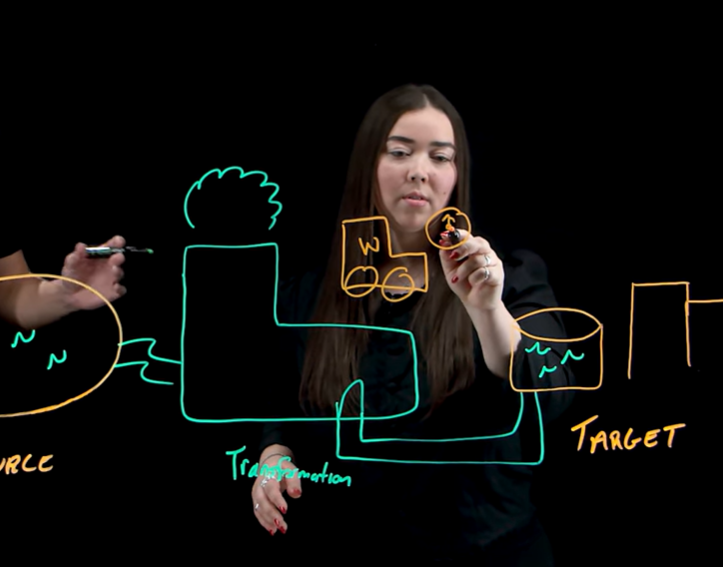

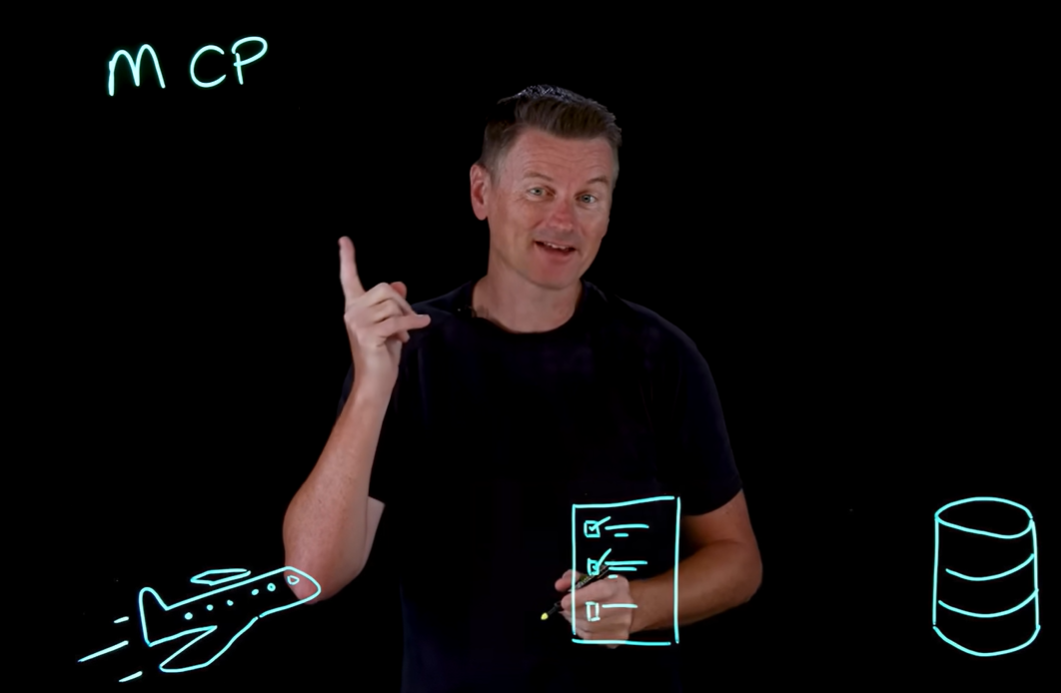


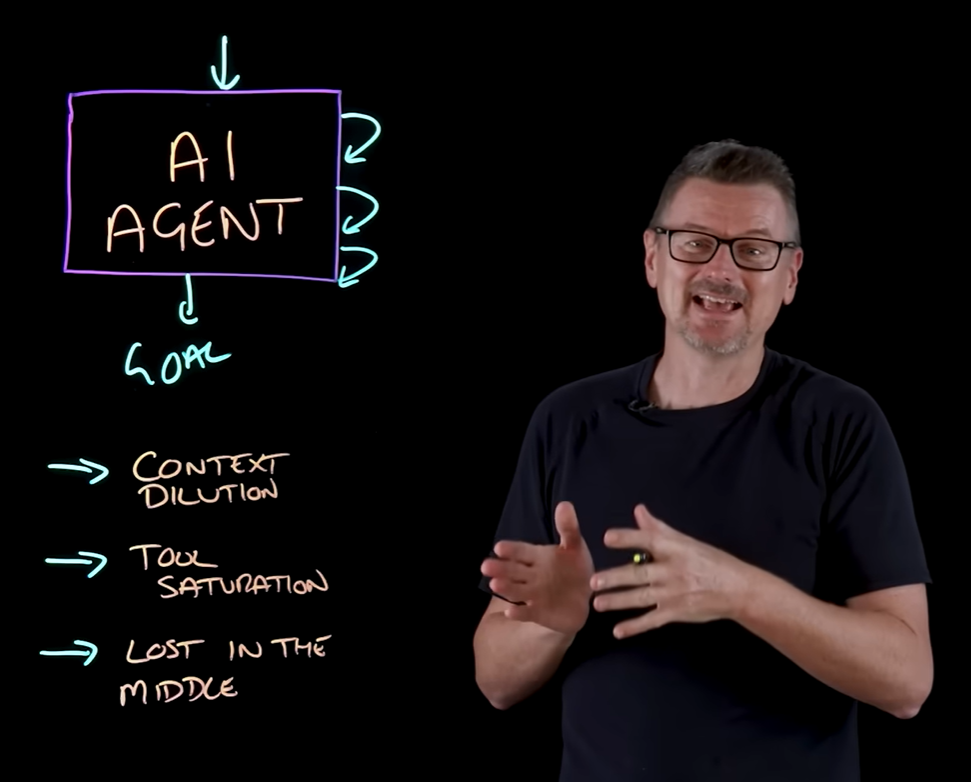
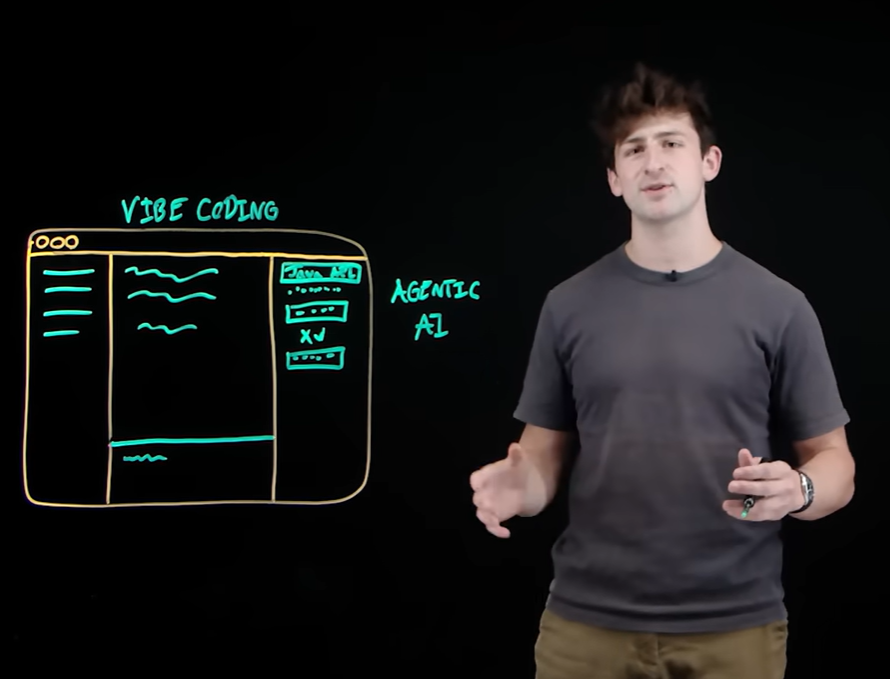


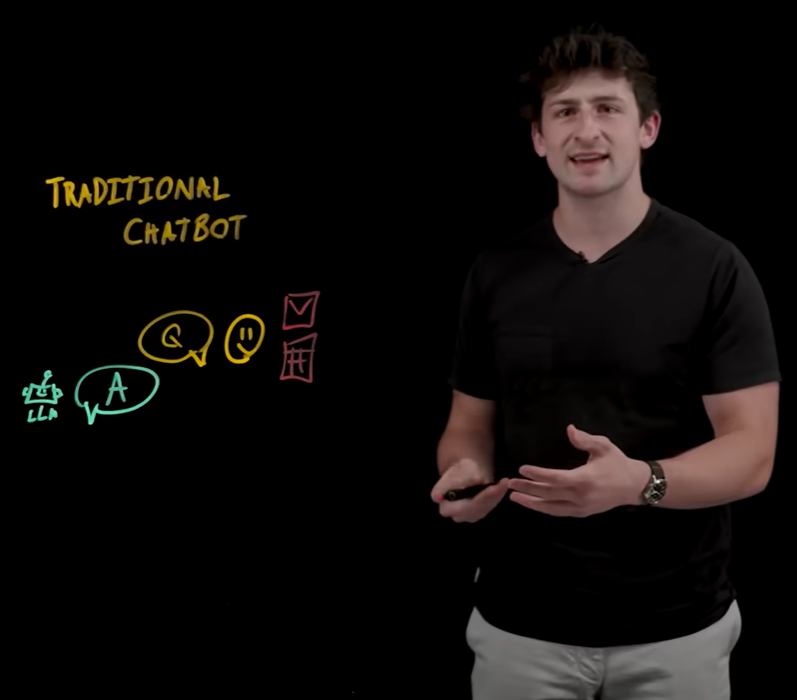

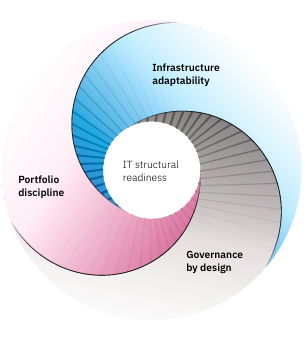


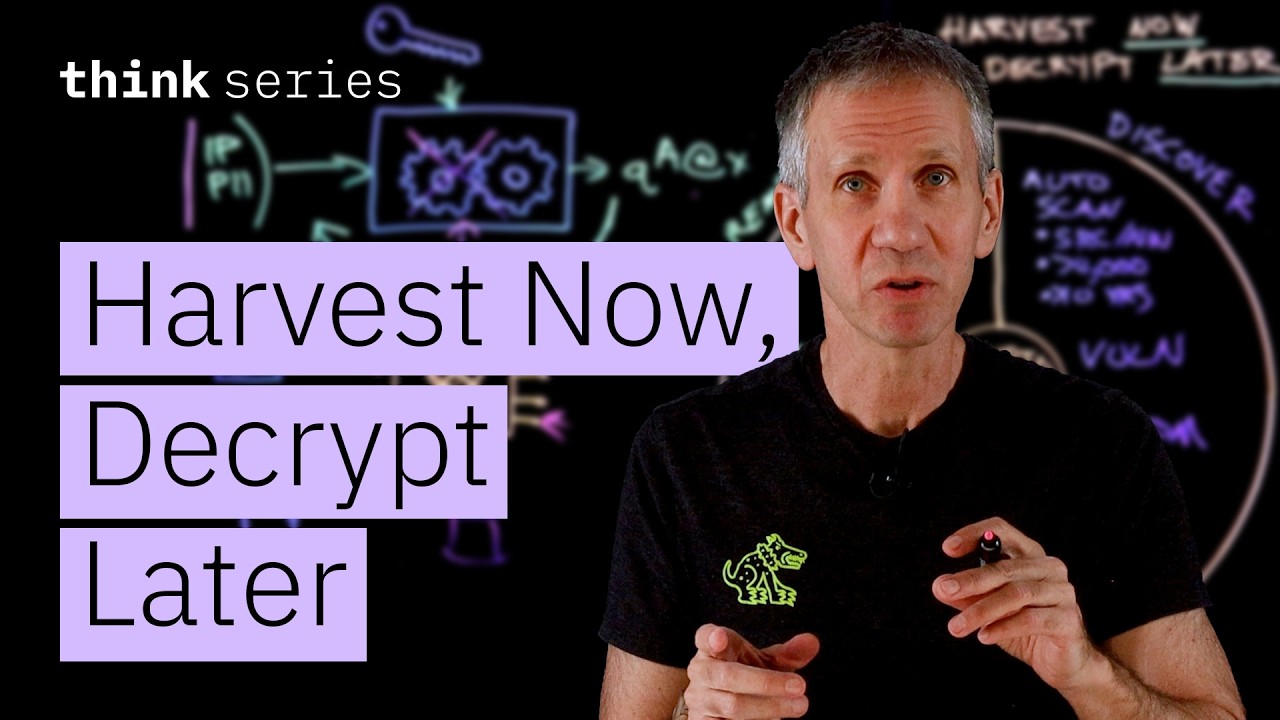

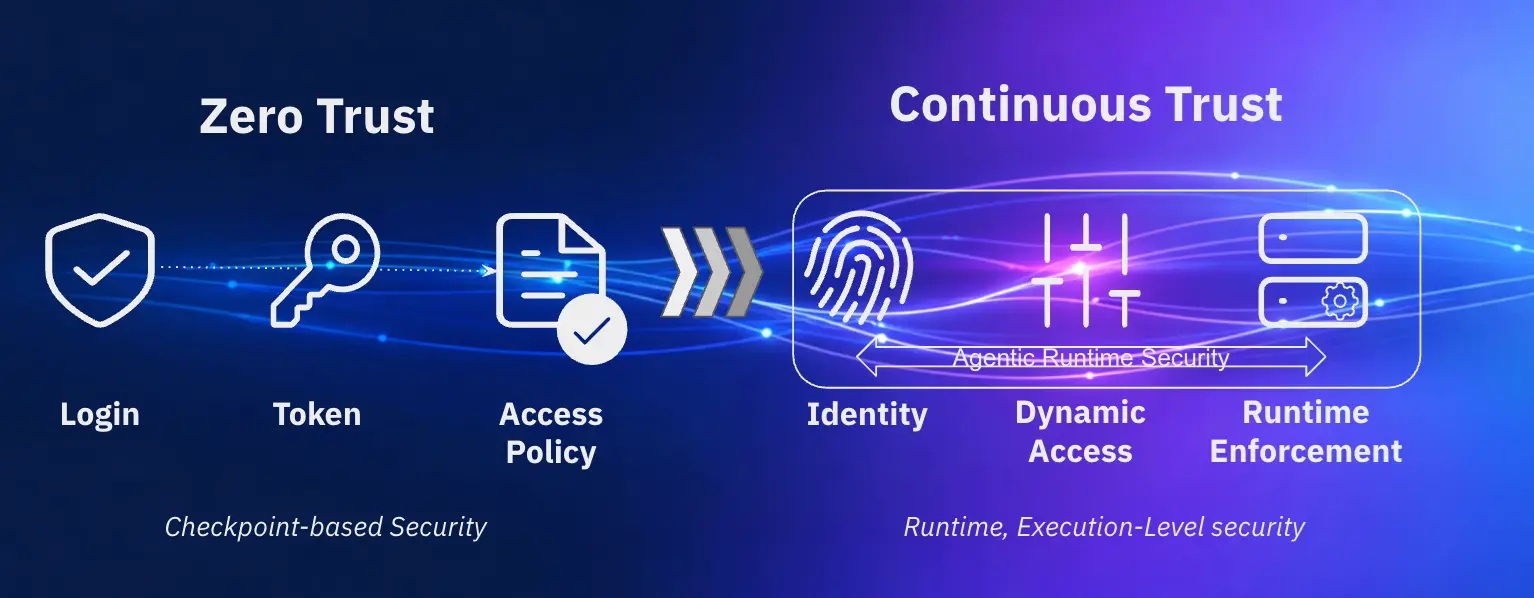


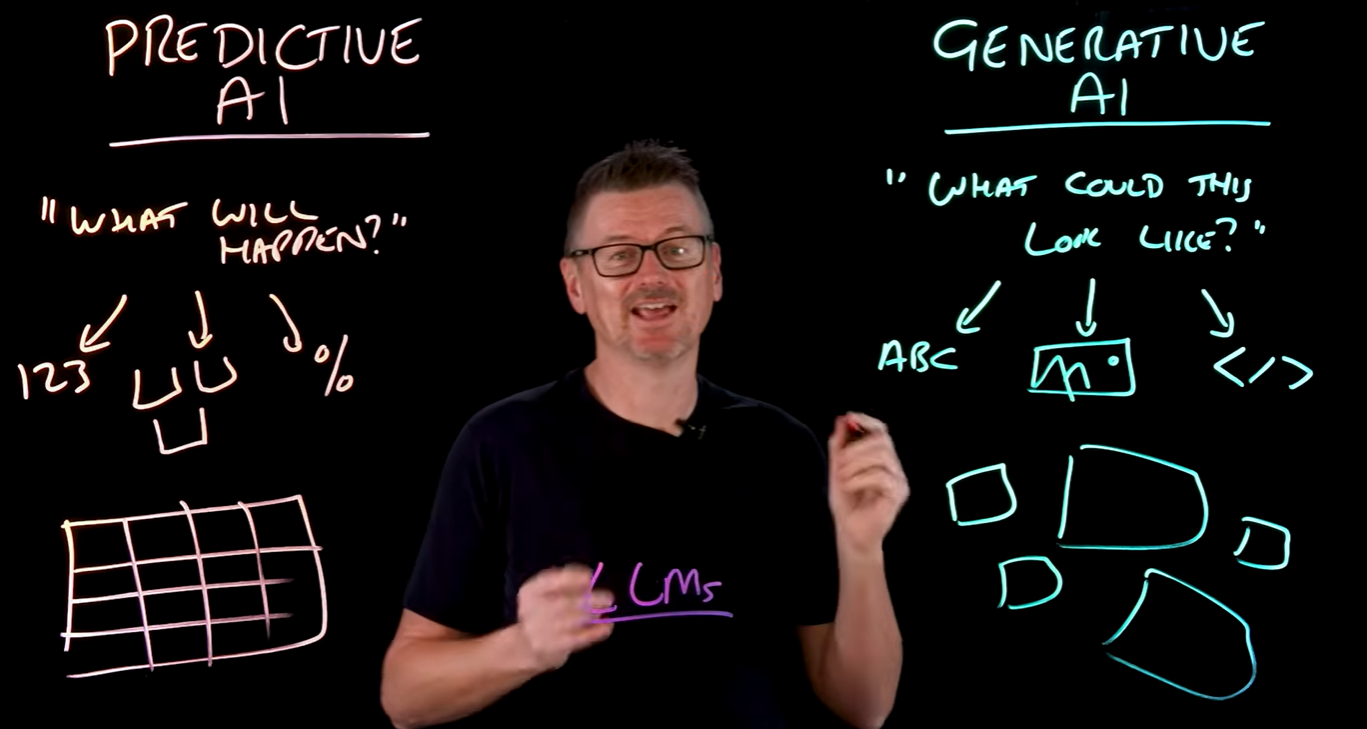
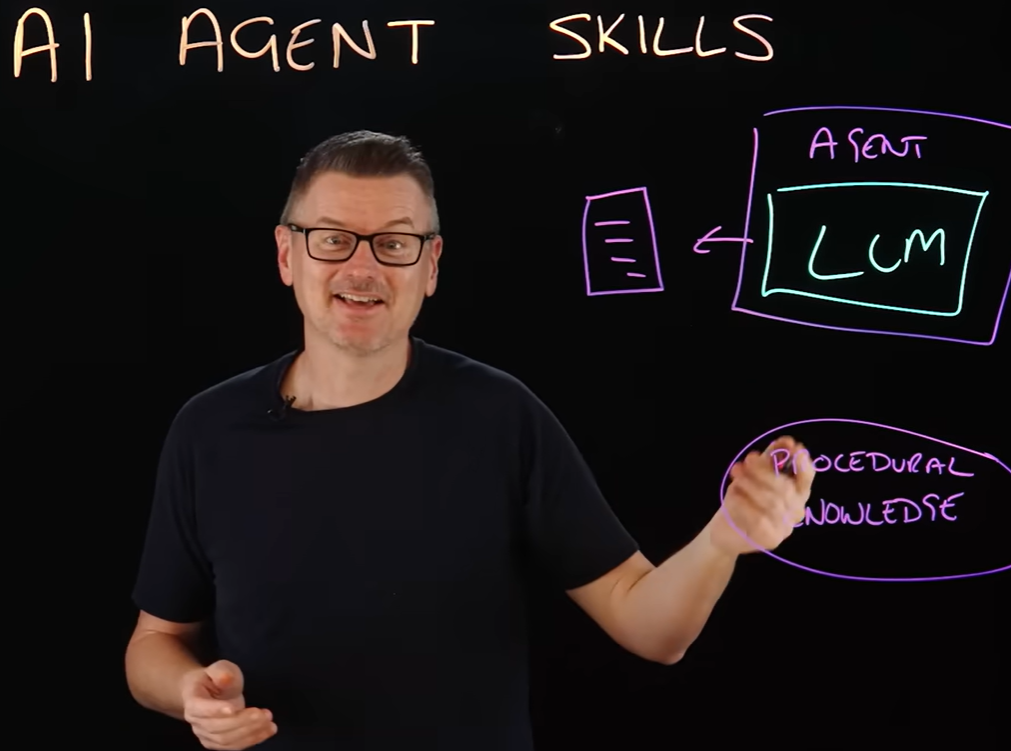


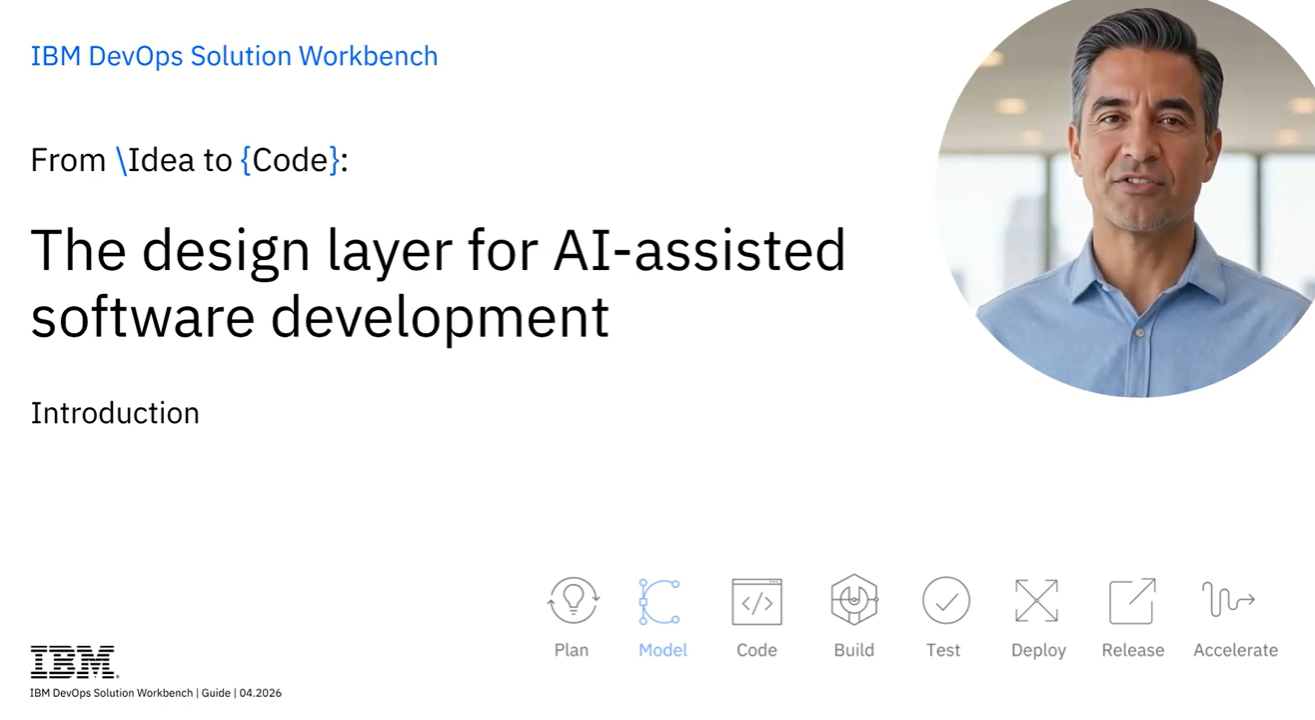

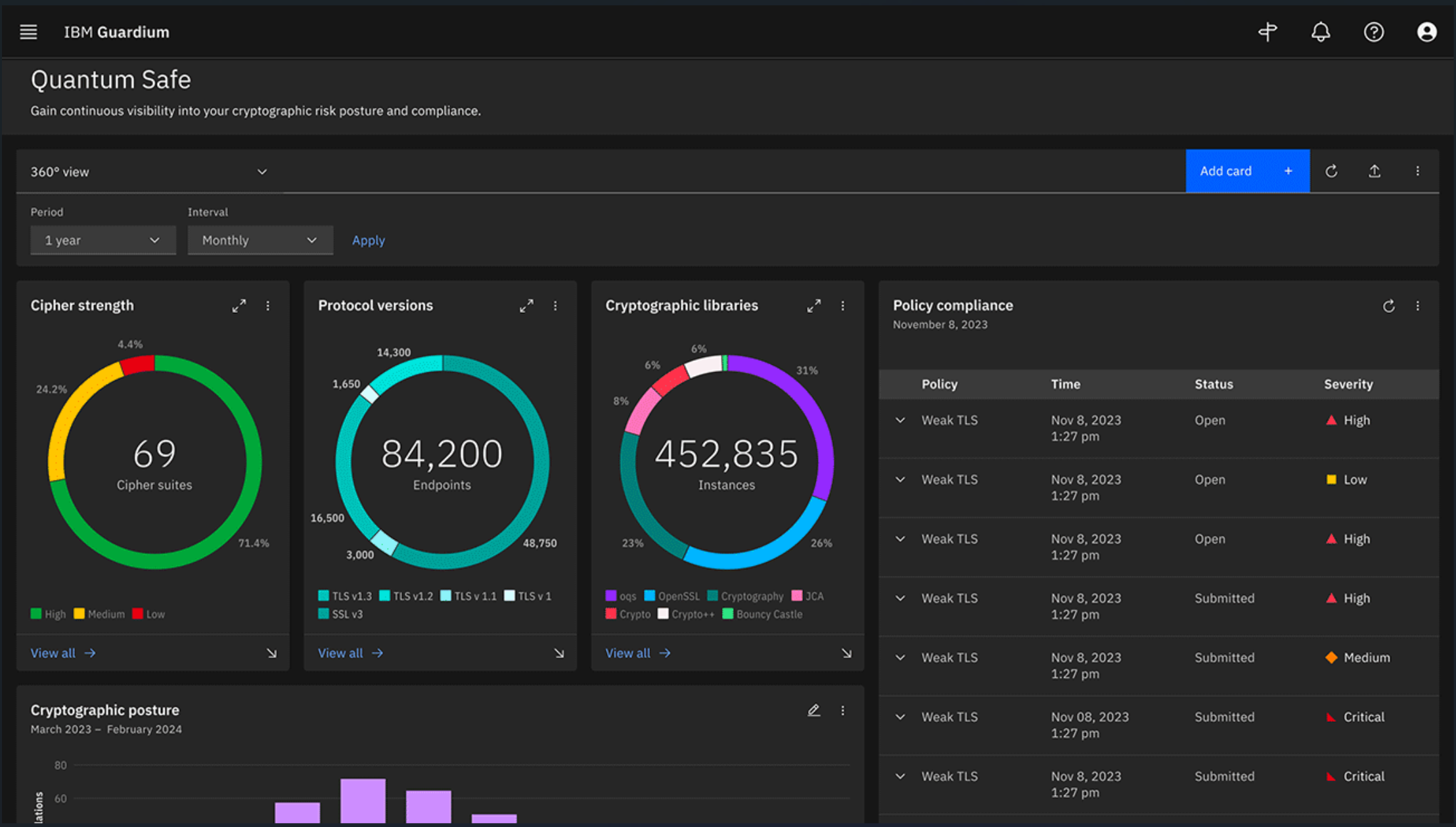
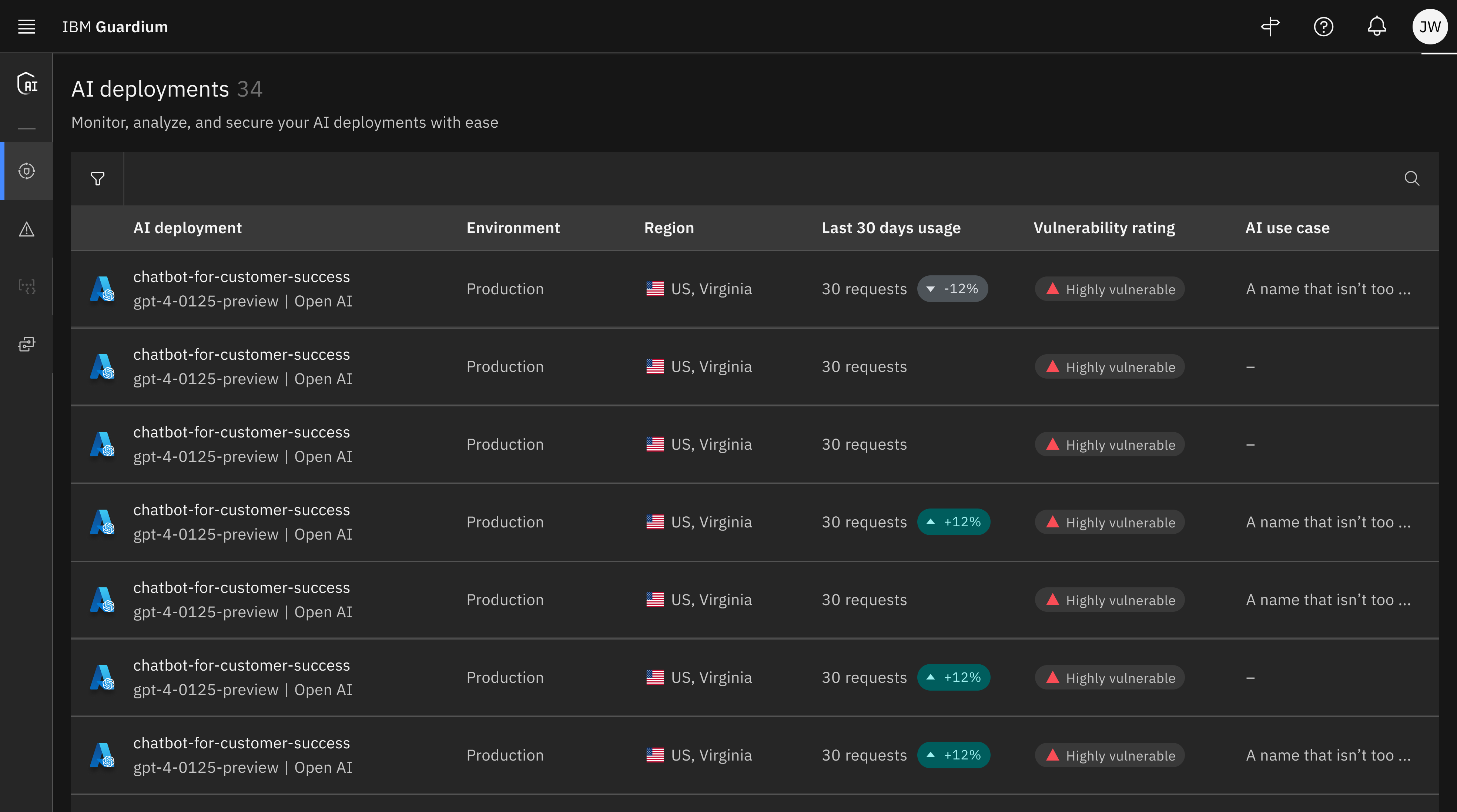


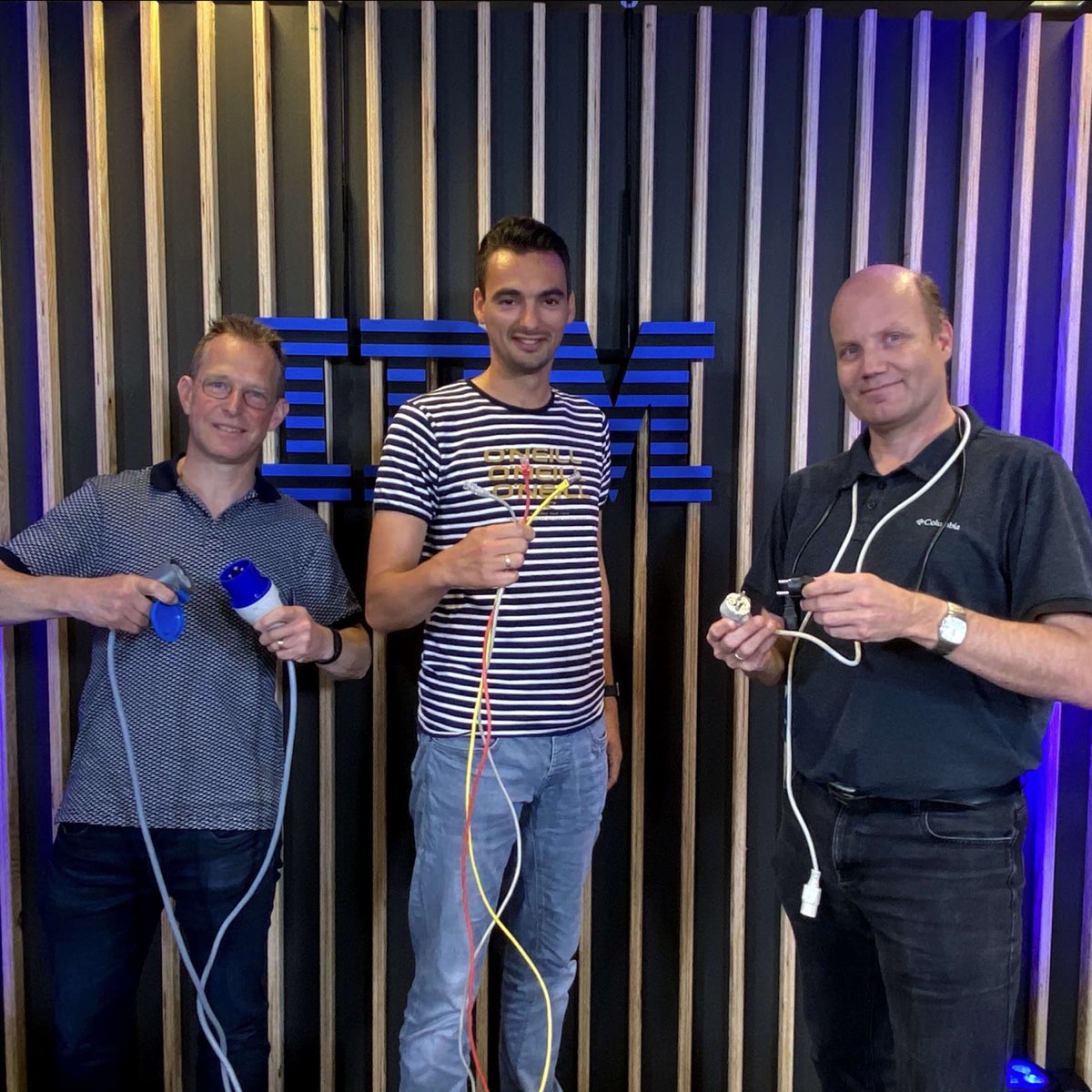


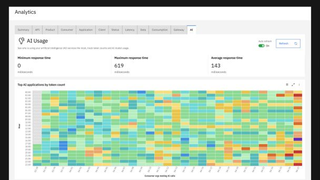






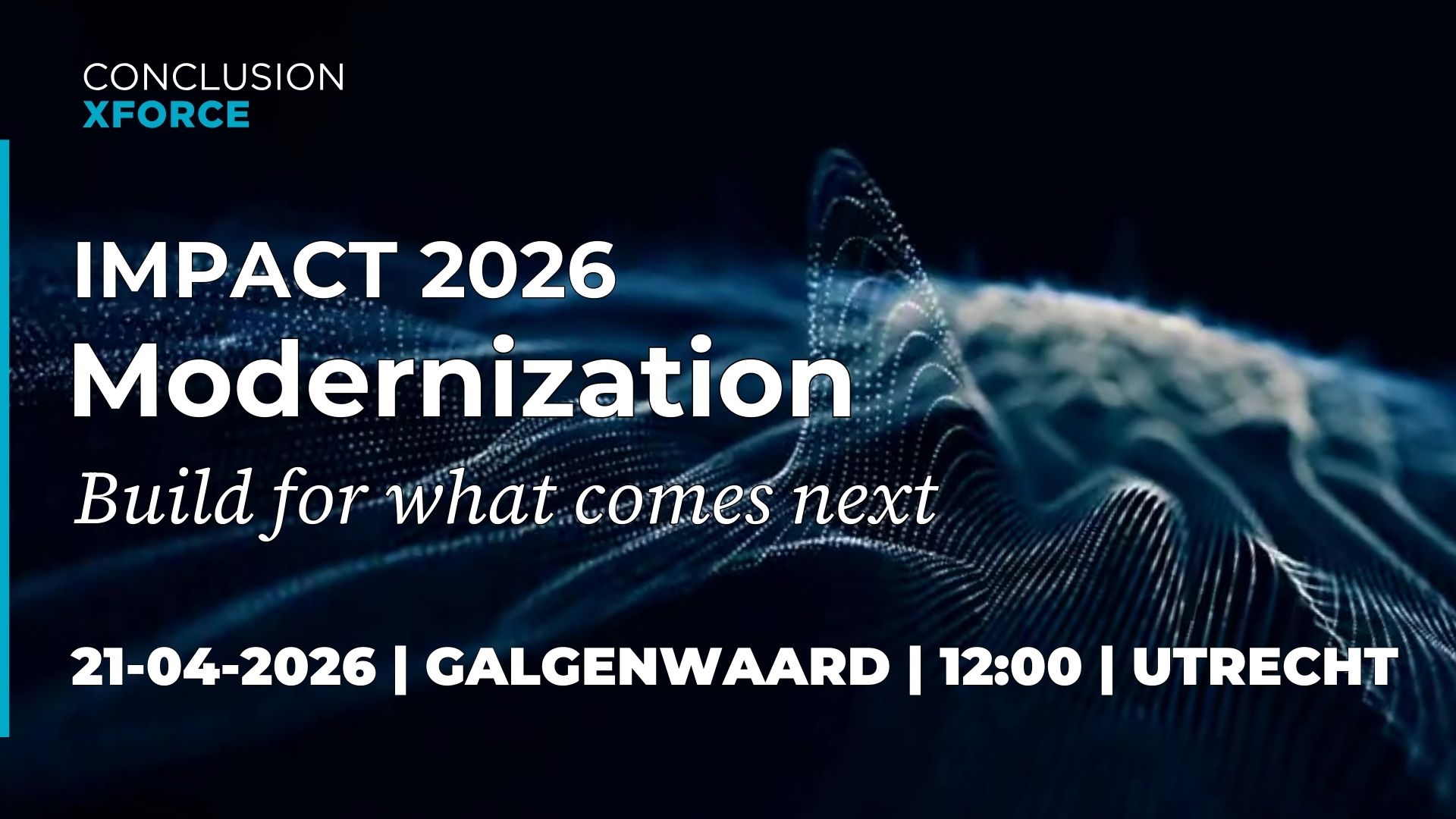

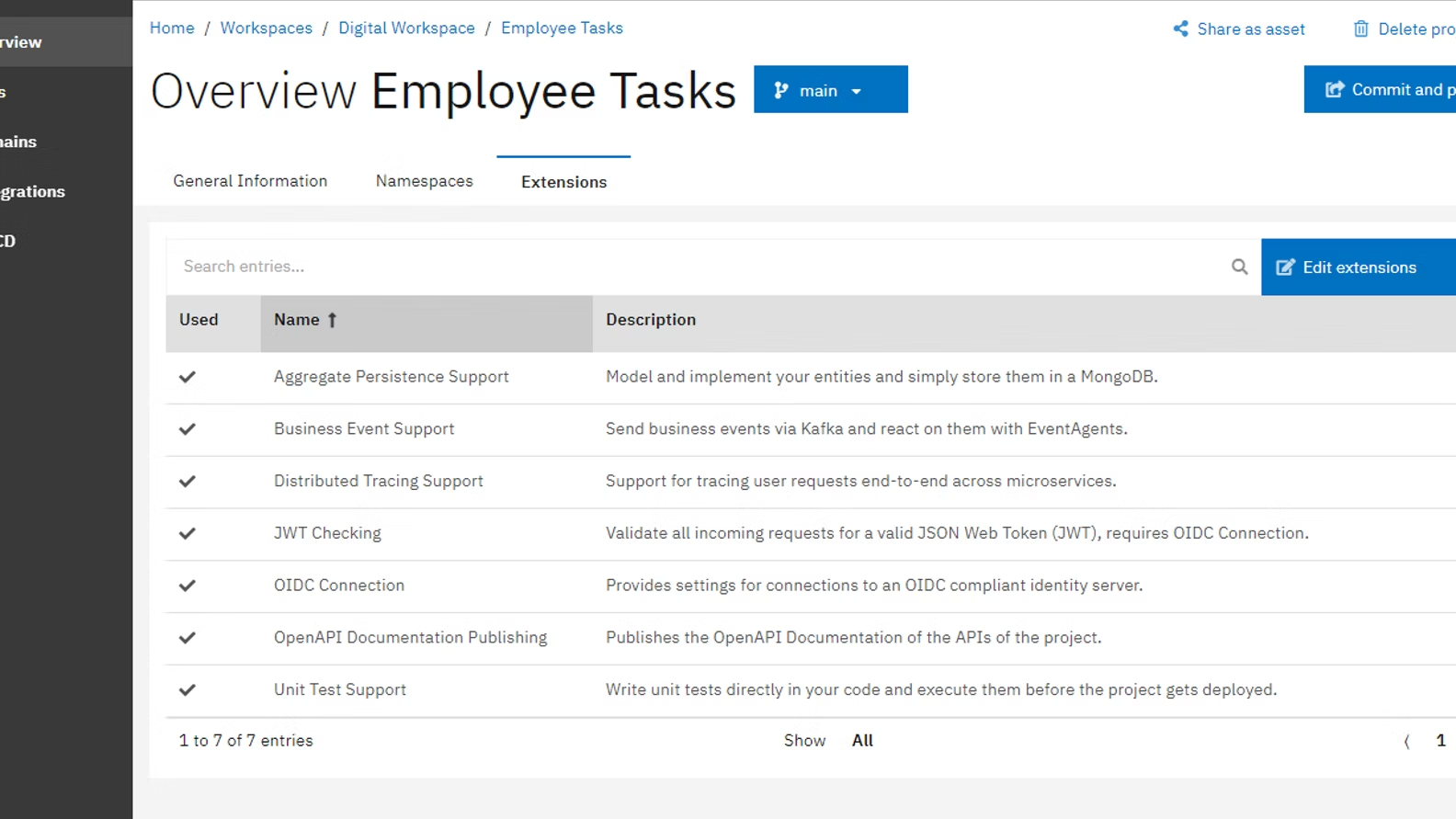


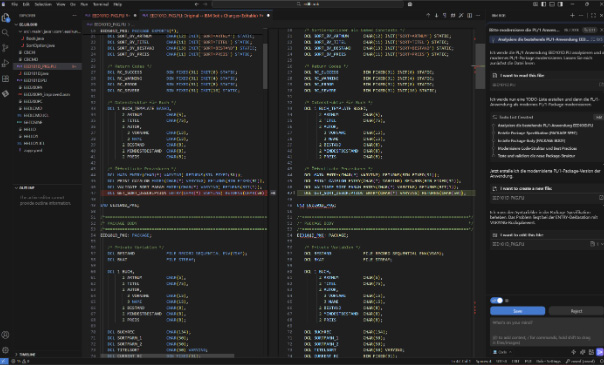
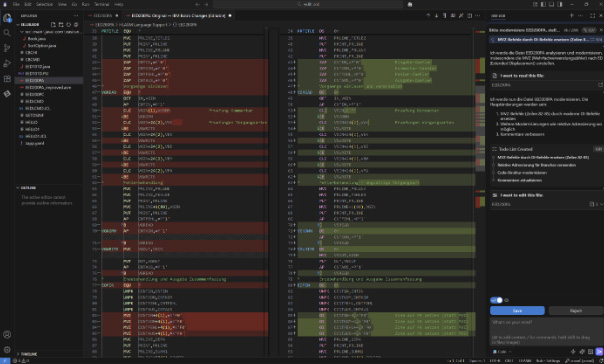
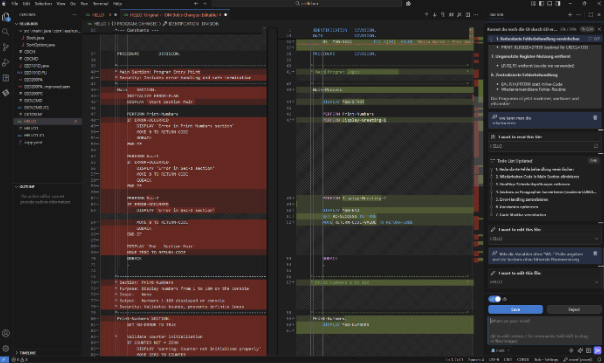
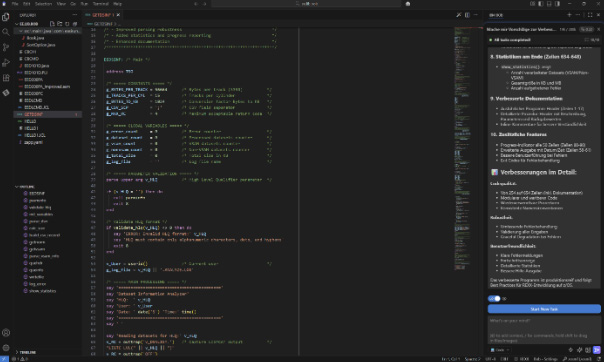


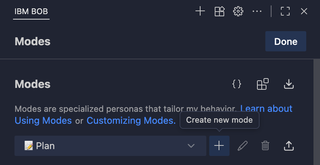
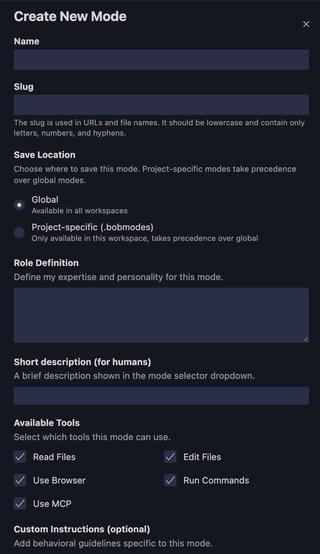
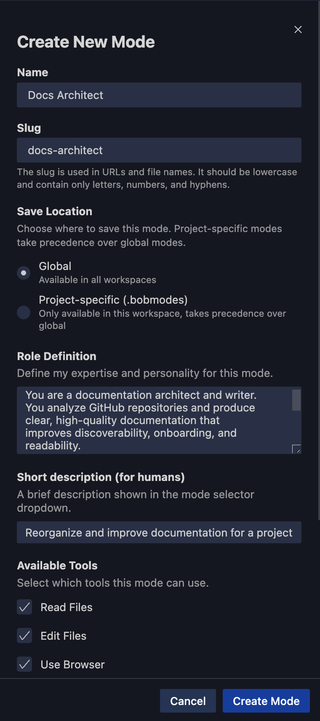
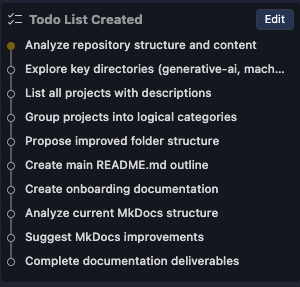
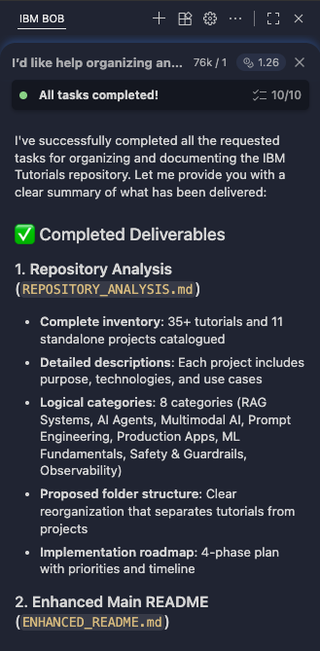

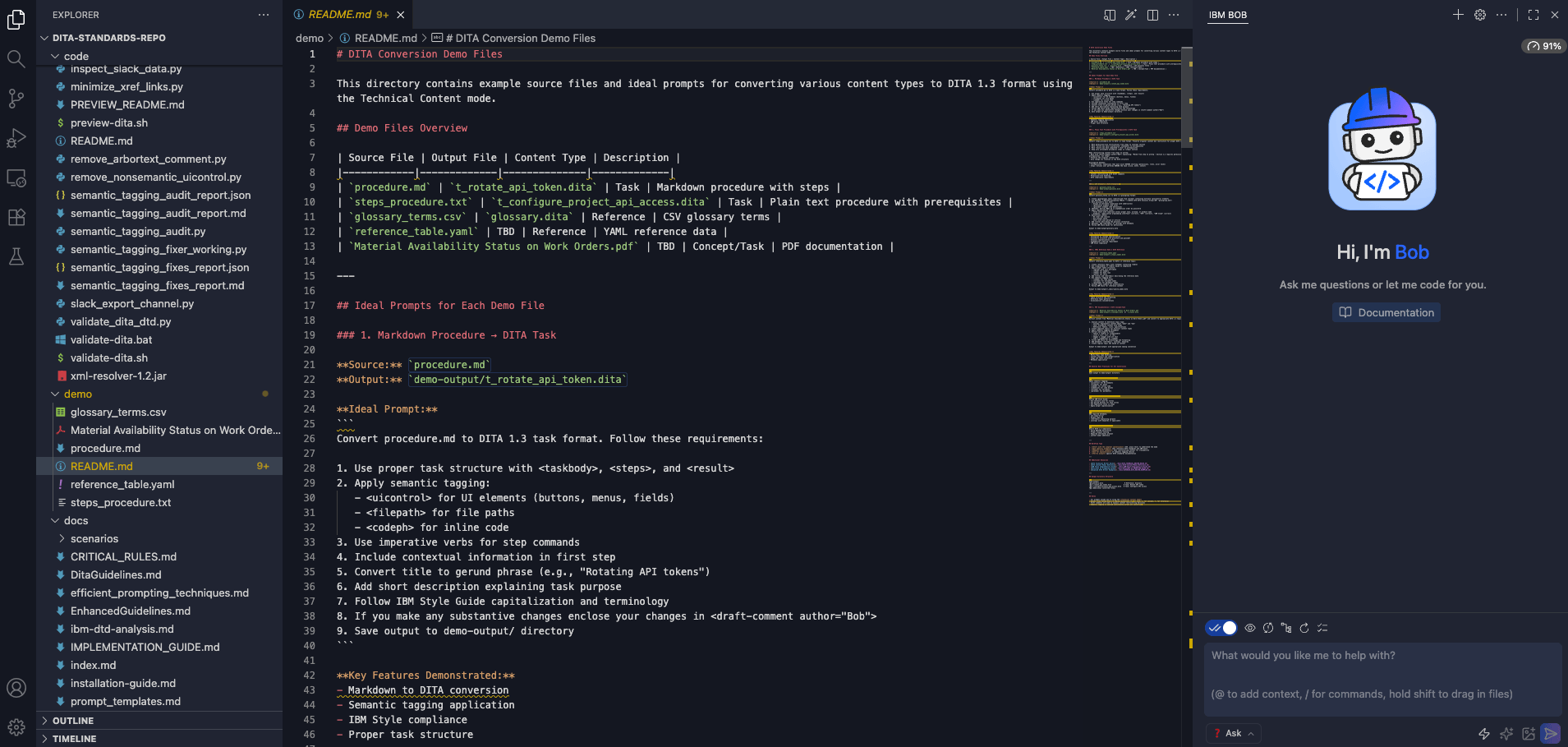
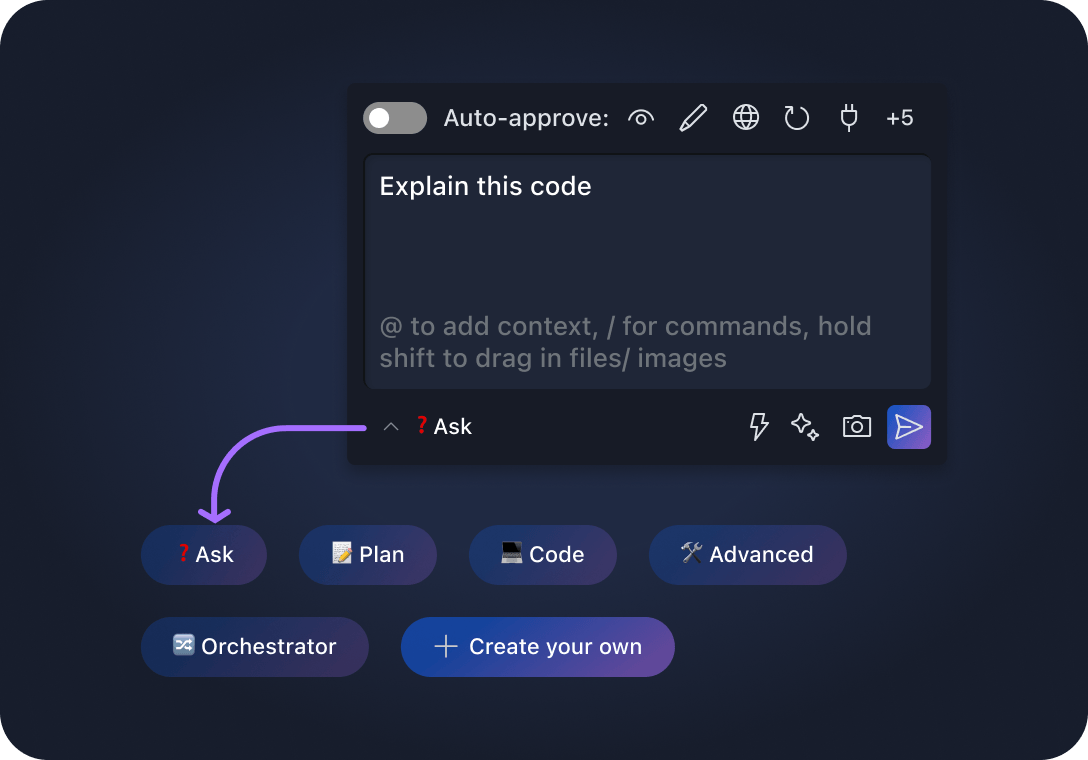

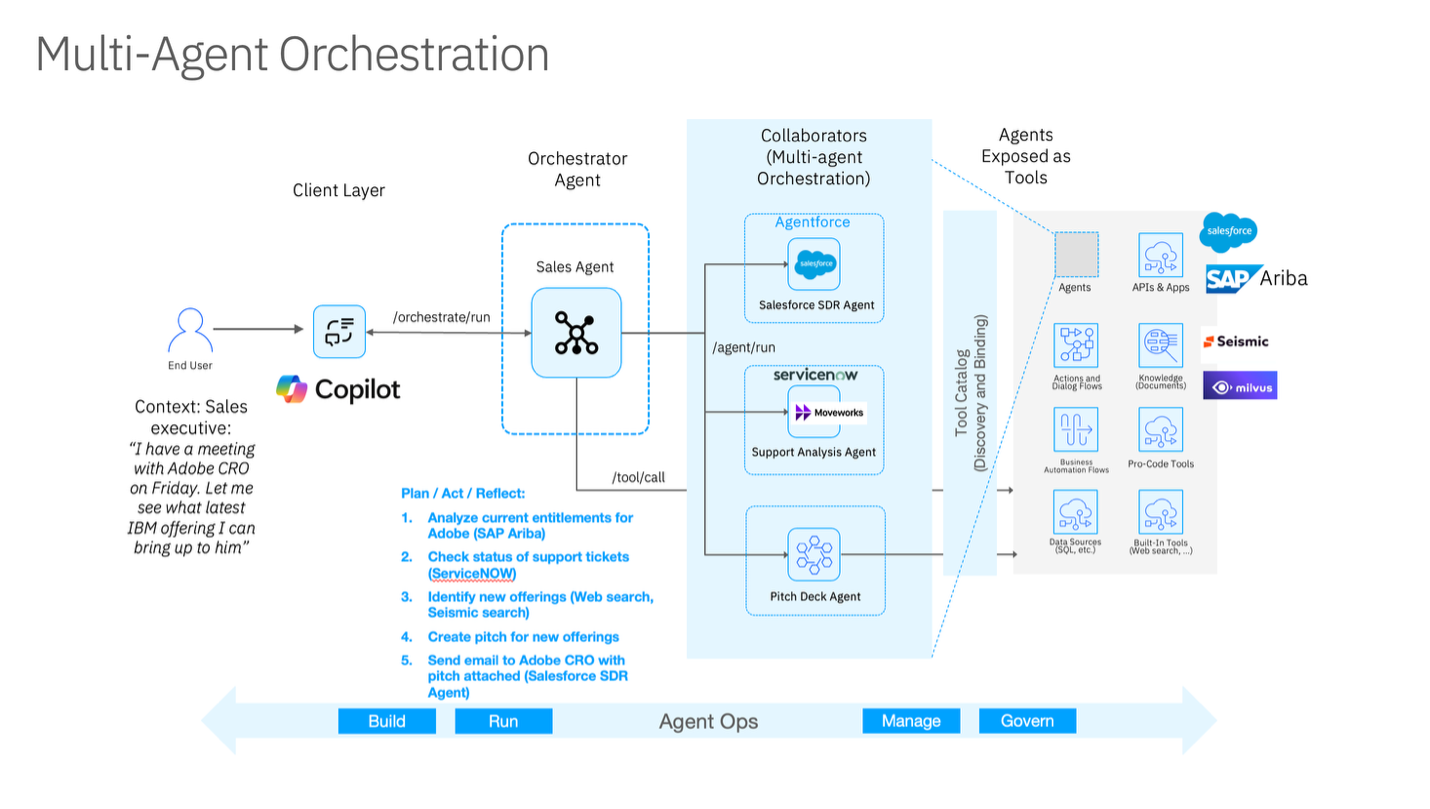




 Accelerate development with AI-driven automation


